




- 1.0Key Sections of ASME B16.34: Technical Requirements Across the Valve Lifecycle
- 2.0Scope of ASME B16.34: Application Limits and Key Technical Coverage
- 3.0ASME B16.34 Material Requirements: Material Grouping and Performance Criteria
- 4.0ASME B16.34 Pressure–Temperature Ratings: Key Parameters and Service Limitations
- 5.0ASME B16.34 Marking Requirements: Compliance with MSS SP-25 for Traceability
- 6.0ASME B16.34 Valve Classification: Standard Class vs Special Class vs Limited Class
- 7.0ASME B16.34 Testing and Inspection: Quality Assurance Before Shipment
- 8.0ASME B16.34 vs API 6D vs API 600: Key Differences Between Major Valve Standards
- 9.0Updates to the ASME B16.34 Standard: Recent Revisions and Changes
- 10.0Why ASME B16.34 Is Important in the Valve Industry
- 11.0How to Select Valves Under ASME B16.34: Practical Guidelines for Compliance and Safety
- 12.0Download ASME B16.34 PDF Resources (2020 & 2025 Editions)
- 13.0ASME B16.34 FAQ: Frequently Asked Questions About the Standard
- 14.0Conclusion: ASME B16.34 as the Foundation for Valve Safety and Quality
ASME B16.34, published by the American Society of Mechanical Engineers (ASME), is one of the most widely recognized standards governing flanged, threaded, and welded valves. The standard provides comprehensive technical requirements covering pressure–temperature ratings, material specifications, wall thickness, marking rules, and testing requirements for cast, forged, and fabricated valves.
For professionals involved in valve procurement, specification development, manufacturing, inspection, and plant operation, ASME B16.34 serves as a fundamental reference. It is frequently used in engineering specifications for new construction projects and is widely cited by numerous international piping and valve standards.
1.0Key Sections of ASME B16.34: Technical Requirements Across the Valve Lifecycle
The structure of ASME B16.34 is organized to cover the entire valve design, manufacturing, and inspection process. Several sections form the technical foundation of the standard:
- Scope: Defines the applicability and limitations of the standard, establishing the boundary conditions under which ASME B16.34 requirements apply.
- Pressure–Temperature Ratings: Specifies the allowable pressure ratings for different valve materials across various operating temperatures.
- Pipe Sizes: Establishes requirements for nominal pipe size, dimensional tolerances, and related sizing parameters.
- Marking Requirements: Identifies the mandatory information that must be permanently marked on valves to ensure identification and traceability.
- Material Requirements: Defines the approved materials and grouping system used for valve components.
- Pressure Testing: Specifies the mandatory pressure tests required prior to shipment.
- Special Class Valves: Distinguishes between standard class, special class, and limited class valves and their respective technical criteria.
- Mandatory and Non-Mandatory Appendices: Provide supplementary technical information, calculation methods, and material selection guidance.
Together, these sections establish a consistent framework that ensures valves are designed, manufactured, and tested in accordance with recognized engineering practices.
2.0Scope of ASME B16.34: Application Limits and Key Technical Coverage
The Scope section is one of the most critical parts of the standard because it determines whether a particular valve falls within the requirements of ASME B16.34.
The standard applies to specific types of valves manufactured from steel, nickel-based alloys, and other listed materials. Within this scope, the standard defines requirements for pressure–temperature ratings, dimensions, tolerances, materials, nondestructive examination (NDE), testing procedures, and valve marking.
In addition, the scope section outlines several important considerations:
- Operating Conditions: Defines pressure and temperature requirements relevant to valve design, procurement, and installation.
- User Responsibilities: Clarifies responsibilities for valve selection, installation, and safe operation.
- Valve Type and Material Selection: Requires appropriate selection based on operating conditions and service environment.
- Valve Rating and Size Identification: Requires clear identification of pressure class and nominal pipe size (NPS or DN).
- Low-Temperature Service Requirements: Includes special provisions for valves used in low-temperature or cryogenic applications.
The scope also defines several specific limitations within the standard:
- Flanged End Valves: Only standard class ratings are permitted.
- Large-Diameter Valves: Flanged valves larger than NPS 60 are not covered by ASME B16.34.
- Class 4500: Applies only to welding-end valves.
- Threaded End Valves: Valves with rating designations above Class 2500 or with temperature ratings exceeding 1000°F fall outside the scope of the standard.
These boundaries ensure that ASME B16.34 is applied only to valve types and conditions for which the standard provides validated engineering guidance.
3.0ASME B16.34 Material Requirements: Material Grouping and Performance Criteria
The material section of ASME B16.34 organizes approved valve materials into three primary groups, each containing several subgroups of materials with similar pressure–temperature performance characteristics. In total, the standard defines 49 material subgroups.
The primary material groups include:
- Group 1 – Carbon Steel and Low-Alloy Steel: Includes commonly used materials such as forged steel complying with ASTM A105 and cast steel such as ASTM A216 Grade WCB.
- Group 2 – Stainless Steel and Duplex Stainless Steel: Covers corrosion-resistant materials used in demanding environments; newer revisions of the standard introduced Group 2.13 specifically for duplex stainless steels, which offer improved strength and corrosion resistance.
- Group 3 – Nickel and Nickel Alloys: Used for high-temperature or highly corrosive service conditions.
The standard requires that every valve component, including the body, bonnet, disc, and seat, must be manufactured from materials that meet the specified requirements. During pipe and valve component fabrication, equipment such as pipe end chamfering machines are commonly used to prepare pipe ends for welding and assembly, ensuring proper alignment and weld quality.
Manufacturers are required to perform appropriate testing and verification procedures to ensure that material properties such as strength, temperature resistance, and corrosion resistance comply with the standard. In modern valve and pipe component manufacturing, equipment such as laser tube cutting machines is widely used to achieve high-precision cutting of steel tubes before further machining and assembly.
Strict adherence to these material requirements helps prevent valve failure under high pressure or elevated temperature conditions and ensures long-term operational reliability in industrial piping systems.
4.0ASME B16.34 Pressure–Temperature Ratings: Key Parameters and Service Limitations
Pressure–temperature ratings are one of the most critical elements defined in ASME B16.34 because they determine the allowable operating conditions of a valve. The standard primarily presents ratings using metric units, while equivalent values are also provided in U.S. customary units. Detailed pressure–temperature rating tables for each listed material can be found in Table 2 (metric units) and Table VII (U.S. customary units).
The fundamental principle of these ratings is straightforward: for a valve made from the same material, the allowable pressure decreases as the operating temperature increases. Conversely, at the same temperature, valves with higher pressure classes are capable of withstanding higher pressures.
For example, a valve manufactured from ASTM A106 Grade C steel with a Class 150 pressure rating has a pressure–temperature rating of 260 psig at 200°F. However, if the operating temperature increases to 750°F, the allowable pressure rating decreases to 95 psig.
Another important aspect highlighted by industry experts is that even materials within the same material group may have additional operating limitations, particularly regarding temperature. The notes accompanying the pressure–temperature tables are therefore critical.
- Temperature Restrictions in Table Notes: Certain materials have specific limitations that override the maximum temperature shown in the table.
- Example – ASTM A352 Grade LCC: The table may list values up to 800°F, but the material note specifies that the maximum allowable service temperature is 650°F.
- Engineering Significance: These notes help engineers understand material limitations and prevent unsafe operating conditions.
Although these notes may appear detailed, they play an essential role in ensuring safe valve selection and reliable system operation.
Pressure–temperature rating relationship for industrial valves PDF
5.0ASME B16.34 Marking Requirements: Compliance with MSS SP-25 for Traceability
The marking requirements in ASME B16.34 follow the identification system defined in MSS SP-25, a standard that governs markings for valves, fittings, flanges, and related piping components. The primary purpose of this marking system is to ensure that valves remain identifiable and traceable throughout their service life.
The minimum mandatory marking requirements for valves include:
- Manufacturer Identification: The manufacturer’s name or registered trademark must appear on the valve.
- Material Identification: The material designation for the body, bonnet, or cover must be clearly marked.
- Pressure Class: The pressure rating of the valve must be permanently identified.
- Temperature Rating: The applicable temperature range or rating must be indicated when required.
- Valve Size: The nominal pipe size must be marked using NPS or DN.
For small valves where space is limited, some secondary markings may be omitted. However, the essential identification information listed above must always be present.
In some cases, valves may also include nameplates. When used, these nameplates must clearly display the pressure class and other critical identification details, allowing inspectors and operators to quickly verify the valve’s specifications.
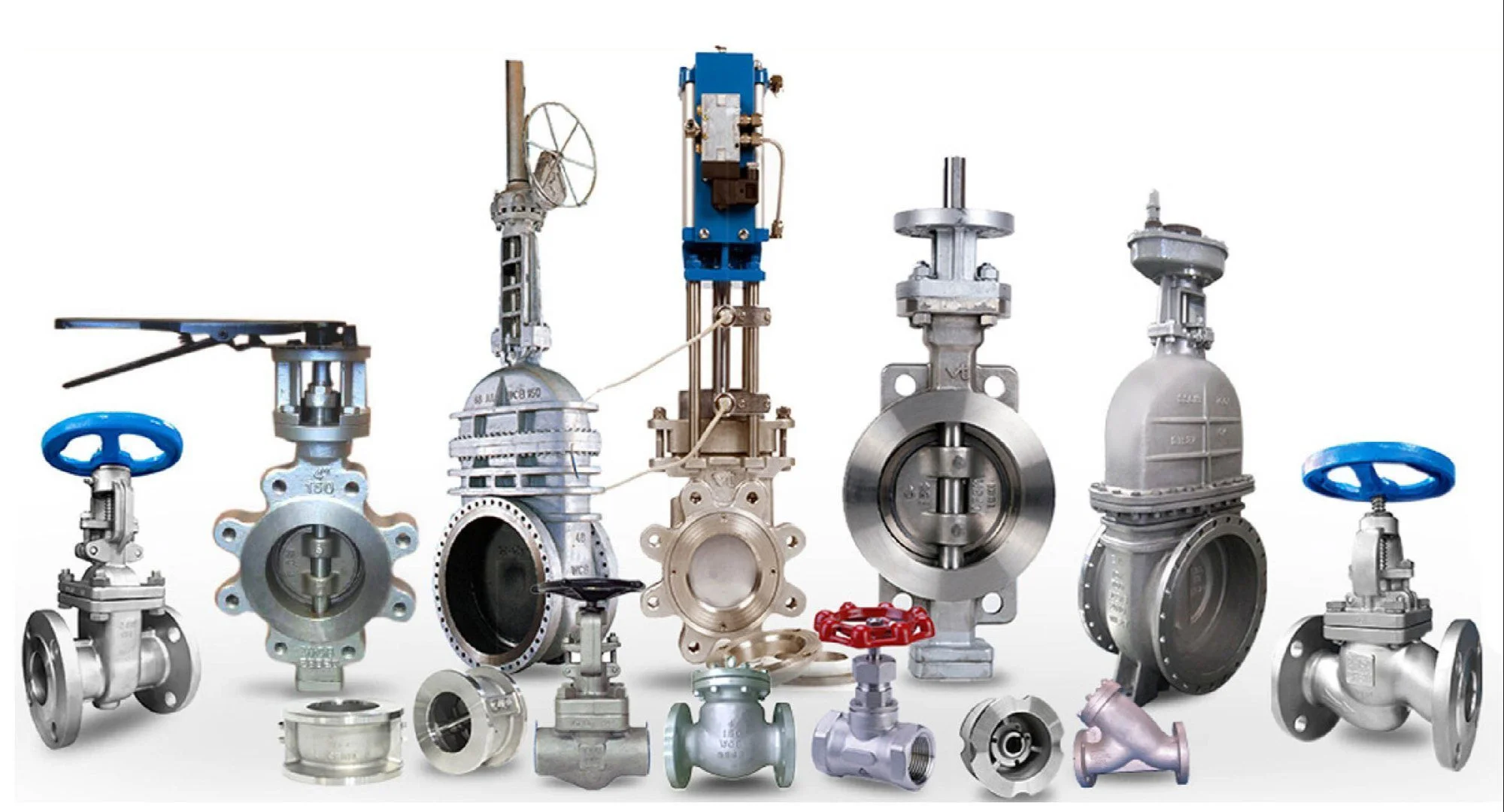
6.0ASME B16.34 Valve Classification: Standard Class vs Special Class vs Limited Class
ASME B16.34 categorizes valves into three main classifications: Standard Class, Special Class, and Limited Class. Each classification defines different technical requirements, application conditions, and marking rules.
Standard Class ValvesAny valve that complies with the basic requirements of ASME B16.34 and does not meet the additional criteria for special or limited classes is considered a standard class valve. Depending on the material, these valves typically cover operating temperature ranges from −20°F to 1500°F and apply to all valve types.
Special Class ValvesThese valves apply only to threaded-end or welding-end valves. They must satisfy all standard class requirements and additionally meet the nondestructive examination (NDE) requirements specified in Section 8 of ASME B16.34. Special class valves are marked with “SPL”, and at the same temperature they generally allow higher pressure–temperature ratings than standard class valves.
Limited Class ValvesLimited class valves apply only to threaded-end or welding-end valves with nominal sizes of NPS 2½ or smaller. These valves must be marked “B16.34 LTD.” Limited class ratings are not permitted for flanged-end valves. In addition, threaded-end valves with pressure classes above Class 2500 and socket-weld valves above Class 4500 fall outside the scope of this classification.
Understanding these classifications helps engineers determine appropriate valve design levels and inspection requirements for specific piping systems. In piping fabrication workshops, supporting processes such as pipe hole preparation using pipe punching machines are also used when manufacturing pipe components that will be connected to valves in industrial systems.
7.0ASME B16.34 Testing and Inspection: Quality Assurance Before Shipment
To ensure valve safety and reliability, ASME B16.34 establishes mandatory testing and inspection procedures that must be completed before valves are released for service. These procedures are designed to identify defects early and prevent non-conforming valves from entering the supply chain. Before assembly and testing, pipe materials may go through several fabrication stages including cutting, chamfering, bending, and hole processing using equipment such as laser tube cutting machines, pipe end chamfering machines, pipe bending machines, and pipe punching machines.
Key testing and inspection requirements include:
- Shell Test: The valve body is pressurized using water or air to verify structural strength and ensure there is no external leakage.
- Seat Test: The sealing performance of the valve is evaluated to confirm that no internal leakage occurs when the valve is closed.
- Special Tests: Certain valves may require additional verification procedures, such as fire testing or nondestructive examination (NDE), including radiographic or ultrasonic inspection, which allows internal defects to be detected without damaging the valve.
- Final Inspection: Before shipment, inspectors must verify that the valve’s markings, dimensions, and materials comply with the requirements of the standard.
Only valves that successfully pass all required testing and inspection procedures can be released for delivery and installation, making these steps a critical part of ensuring safe and reliable valve operation in industrial piping systems.
8.0ASME B16.34 vs API 6D vs API 600: Key Differences Between Major Valve Standards
In the industrial valve sector, ASME B16.34, API 6D, and API 600 are among the most commonly referenced standards. While they are often used together in engineering specifications, each standard serves a different purpose and targets different application scenarios. Understanding their differences helps engineers and procurement teams select the appropriate standard for specific valve applications.
8.1ASME B16.34 vs API 6D: Detailed Comparison
The relationship between ASME B16.34 and API 6D is particularly close, as API 6D builds upon the general requirements defined in ASME B16.34 while introducing additional specifications for pipeline valves.
| Comparison Aspect | ASME B16.34 | API 6D |
| Fundamental Role | Serves as a general valve design standard with broad industry applicability | Builds upon ASME B16.34 and introduces additional requirements for pipeline valves |
| Scope and Application | Applicable across multiple industries and valve types | Focused specifically on valves used in oil and gas pipeline systems |
| Pressure Ratings | Defines pressure–temperature ratings for various materials | Uses pressure ratings based on ASME B16.5 and ASME B16.47 |
| Design Requirements | Provides general design guidance for pressure-retaining valve components | Adds stricter design and safety requirements for pipeline service |
| Material Selection | Covers a wide range of materials with flexible selection options | Specifies materials suitable for oil and gas pipeline environments |
| Testing Requirements | Provides general testing guidelines applicable to most valves | Requires more rigorous testing procedures specific to pipeline service |
In practice, ASME B16.34 establishes the baseline requirements, while API 6D adds application-specific design, testing, and operational requirements for pipeline valves.
8.2ASME B16.34 vs API 600: Differences in Scope and Application
While ASME B16.34 is a general standard applicable to multiple valve types, API 600 focuses specifically on steel gate valves used in critical service conditions.
The main differences include:
- Standard Scope: ASME B16.34 establishes minimum safety and quality requirements for pressure-containing valves, whereas API 600 applies specifically to steel gate valves used in demanding industrial environments.
- Design Requirements: API 600 includes stricter structural design requirements, such as bolted bonnet construction, metal-to-metal sealing surfaces, and thicker valve body walls.
- Material and Manufacturing: API 600 places tighter control on materials and manufacturing processes to ensure durability under severe operating conditions.
- Testing and Inspection: API 600 requires more extensive testing procedures, including mandatory nondestructive examination, fire testing, and stringent leakage performance requirements.
- Typical Applications: API 600 valves are commonly used in oil and gas production, refining, petrochemical processing, and other high-risk industrial environments.
In summary, ASME B16.34 defines the baseline technical requirements for pressure valves, while API 600 imposes stricter requirements for critical-service gate valves.
9.0Updates to the ASME B16.34 Standard: Recent Revisions and Changes
ASME B16.34 is periodically revised to reflect advancements in materials, engineering practices, and industrial requirements. These updates help ensure that the standard remains relevant for modern valve design and operation.
Recent revisions include several notable updates:
- New ASTM Materials Added: Additional materials such as ASTM A182 Grade N08020 have been introduced, expanding the range of approved materials.
- Updated Pressure–Temperature Tables: The pressure–temperature rating tables for Material Groups 1, 2, and 3 have been revised to improve accuracy and provide clearer limits.
- New Material Subgroup 2.13: Introduced specifically for duplex stainless steels, reflecting their growing use in corrosion-resistant applications.
- Appendix D Enhancements: Additional guidance has been included to assist with minimum safe temperature selection, particularly for valves used in cold environments.
- Clarification of Clamp-Type Valves: The scope now more clearly defines the applicability of clamp-type valve constructions, excluding connector assemblies.
- Improved Table Notes: Several notes in the rating tables have been clarified to improve readability and interpretation.
- High-Stress Bolting Requirements: New technical provisions address the use of high-stress bolting materials to ensure adequate strength.
- Corrections to Rating Data: Certain pressure–temperature rating inconsistencies have been corrected.
- Additional Strength Requirements: New requirements have been added for flanged and threaded valve body joints.
Professionals involved in valve design, manufacturing, inspection, or procurement should regularly review updates from the ASME website and industry publications to ensure compliance with the most current edition of the standard.
10.0Why ASME B16.34 Is Important in the Valve Industry
10.1Ensuring Valve Safety and Operational Reliability
ASME B16.34 provides clearly defined technical rules for valve design, materials, testing, and pressure ratings. By establishing consistent engineering criteria, the standard helps prevent failures such as leakage, structural rupture, or pressure-related damage, thereby protecting both personnel and equipment.
In addition, standardized dimensional and design requirements allow valves produced by different manufacturers to maintain a degree of interchangeability, improving the reliability of piping systems.
10.2Supporting Regulatory Compliance in Industrial Projects
In many industries—including oil and gas, petrochemical processing, power generation, and heavy manufacturing—ASME B16.34 is widely referenced in regulatory frameworks and engineering specifications.
Using valves that comply with this standard helps companies demonstrate adherence to industry regulations and project specifications, reducing the risk of compliance issues, operational shutdowns, or regulatory penalties.
10.3Promoting Standardization Across the Valve Supply Chain
ASME B16.34 provides a unified framework covering design, materials, manufacturing, testing, marking, and inspection requirements. Within modern valve manufacturing supply chains, pipe fabrication technologies—such as laser tube cutting machines, pipe end chamfering machines, pipe bending machines, and pipe punching machines—play an important role in improving production efficiency and machining precision. This standardization simplifies valve procurement, installation, and maintenance procedures.
At the same time, consistent technical requirements support industry-wide technological development, enabling manufacturers and suppliers to maintain efficient and reliable valve production while ensuring compatibility across global supply chains.
11.0How to Select Valves Under ASME B16.34: Practical Guidelines for Compliance and Safety
Selecting valves in accordance with ASME B16.34 requires careful verification of markings, supplier qualifications, and technical specifications. The following key practices help avoid common pitfalls and ensure safe, compliant valve selection.
- Verify valve markings before installation: Valve markings contain critical identification information, including the manufacturer, material grade, pressure class, and nominal size. These markings should be carefully checked prior to installation to ensure they match the project specifications and operating conditions. Any discrepancy between the valve markings and the required specifications may introduce potential safety risks.
- Confirm supplier compliance with the ASME B16.34 standard: When evaluating valve suppliers, it is essential to verify that their products are designed and manufactured in accordance with ASME B16.34 requirements. Key parameters to review include valve body wall thickness (typically not less than 6.9 mm where applicable), bore lining thickness, bolt hole dimensions, and bolt sizes. These factors directly affect the structural integrity and pressure-containing capability of the valve.
- Avoid price-only purchasing decisions: Selecting valves solely based on price can lead to long-term operational risks if product quality or compliance is compromised. Instead, engineers and procurement teams should evaluate the total cost of ownership, including installation, operation, maintenance, and potential failure risks. Requesting product compliance certificates and inspection documentation can also help ensure that the valves meet industry standards.
- Consider regional standards and regulations: Although ASME B16.34 is widely recognized internationally, many regions maintain their own valve standards. For example, Europe commonly uses EN standards, China uses GB/T and JB/T standards, Japan applies JIS standards, and global projects may reference ISO standards. Before finalizing valve selection, it is important to confirm that the valve complies with both ASME B16.34 and applicable local regulatory requirements.
12.0Download ASME B16.34 PDF Resources (2020 & 2025 Editions)
For engineers, procurement specialists, and valve manufacturers who need to review the full technical requirements, accessing the official ASME B16.34 PDF is highly recommended. The standard contains detailed pressure–temperature rating tables, material classifications, dimensional requirements, marking rules, and testing procedures used throughout the valve industry.
Currently, the most commonly referenced editions include ASME B16.34-2020 and the newer ASME B16.34-2025 revision. The 2020 edition remains widely used in many industrial projects, while the 2025 update introduces clarifications, additional material listings, and improved guidance for modern valve manufacturing and inspection practices.
| Feature | ASME B16.34-2020 | ASME B16.34-2025 |
| Publication year | 2020 | 2025 |
| Material groups | Standard material groupings | Expanded material listings |
| Pressure–temperature tables | Existing rating tables | Updated notes and clarifications |
| Manufacturing guidance | Traditional valve manufacturing requirements | Additional clarifications for modern fabrication and inspection |
| Industry usage | Widely used in existing projects | Latest revision for new projects |
13.0ASME B16.34 FAQ: Frequently Asked Questions About the Standard
Q: What does ASME B16.34 cover?
A: ASME B16.34 defines the core manufacturing requirements for valves, including material specifications, strength criteria, dimensional requirements, marking rules, and testing procedures. It provides the fundamental technical framework for selecting and designing pressure-containing valves across multiple industries.
Q: Who needs to follow the ASME B16.34 standard?
A: The standard applies to a wide range of professionals involved in valve production and application, including valve engineers, manufacturers, inspectors, procurement specialists, and plant operators responsible for installing and maintaining industrial valves.
Q: How can you verify whether a valve complies with ASME B16.34?
A: Compliance can typically be verified by checking the valve markings and reviewing supplier documentation. Manufacturers should provide certification confirming compliance with ASME B16.34. In some cases, additional pressure testing or nondestructive examination may be conducted to confirm performance.
Q: Why are pressure–temperature ratings important?
A: Pressure–temperature ratings define the maximum allowable operating conditions for a valve. Properly matching these ratings with system conditions helps prevent leakage, structural damage, or valve failure caused by excessive pressure or temperature.
Q: How often is ASME B16.34 updated?
A: ASME periodically reviews and revises the standard every few years. Updates may include new materials, revised testing methods, improved safety requirements, or corrections to technical data. Engineers should always reference the most recent edition of the standard.
Q: Can ASME B16.34 valves be used worldwide?
A: The standard is widely recognized internationally and frequently referenced in industrial specifications. However, some countries or regions have their own regulatory standards, so local compliance requirements should always be reviewed before use.
14.0Conclusion: ASME B16.34 as the Foundation for Valve Safety and Quality
ASME B16.34, developed by the American Society of Mechanical Engineers, is one of the most important technical standards governing industrial valves. It covers flanged, threaded, and welded valve constructions and establishes comprehensive requirements for design, materials, pressure–temperature ratings, marking, testing, and inspection.
For valve manufacturers, procurement teams, engineers, and inspectors, understanding and applying the principles of ASME B16.34 is essential for ensuring product safety, regulatory compliance, and reliable operation in industrial piping systems. Adhering to this standard not only helps prevent equipment failures and operational risks but also supports broader industry standardization.
At the same time, professionals should remain aware of ongoing revisions to the standard and carefully evaluate real operating conditions and local regulations when selecting valves. Proper application of ASME B16.34 ultimately contributes to safer, more efficient, and more reliable industrial operations.
Reference
https://www.valvemagazine.com/articles/an-overview-of-asme-b16-34-2017
https://www.onerovalve.com/blog/comparison/api-6d-vs-asme-b16-34/
https://www.ladishvalves.com/news/whats-the-difference-between-standard-class-special-class-and-limited-class/