





- 1.0What Are Stainless Steel Welded Tubes
- 2.0Manufacturing Process of Stainless Steel Welded Tubes
- 3.0Quality Inspection and Testing of Stainless Steel Welded Pipes
- 4.0Main Advantages of Stainless Steel Welded Tubes
- 5.0Main Types of Stainless Steel Welded Tubes
- 6.0Comparison of Common Stainless Steel Welded Tube Grades
- 7.0Typical Specifications of Stainless Steel Welded Tubes
- 8.0Common Applications of Stainless Steel Welded Tubes
- 9.0Comparison Between Stainless Steel Welded Tubes and Seamless Tubes
- 10.0Special Type: Stainless Steel Welded U Tubes
- 11.0Frequently Asked Questions About Stainless Steel Welded Tubes
1.0What Are Stainless Steel Welded Tubes
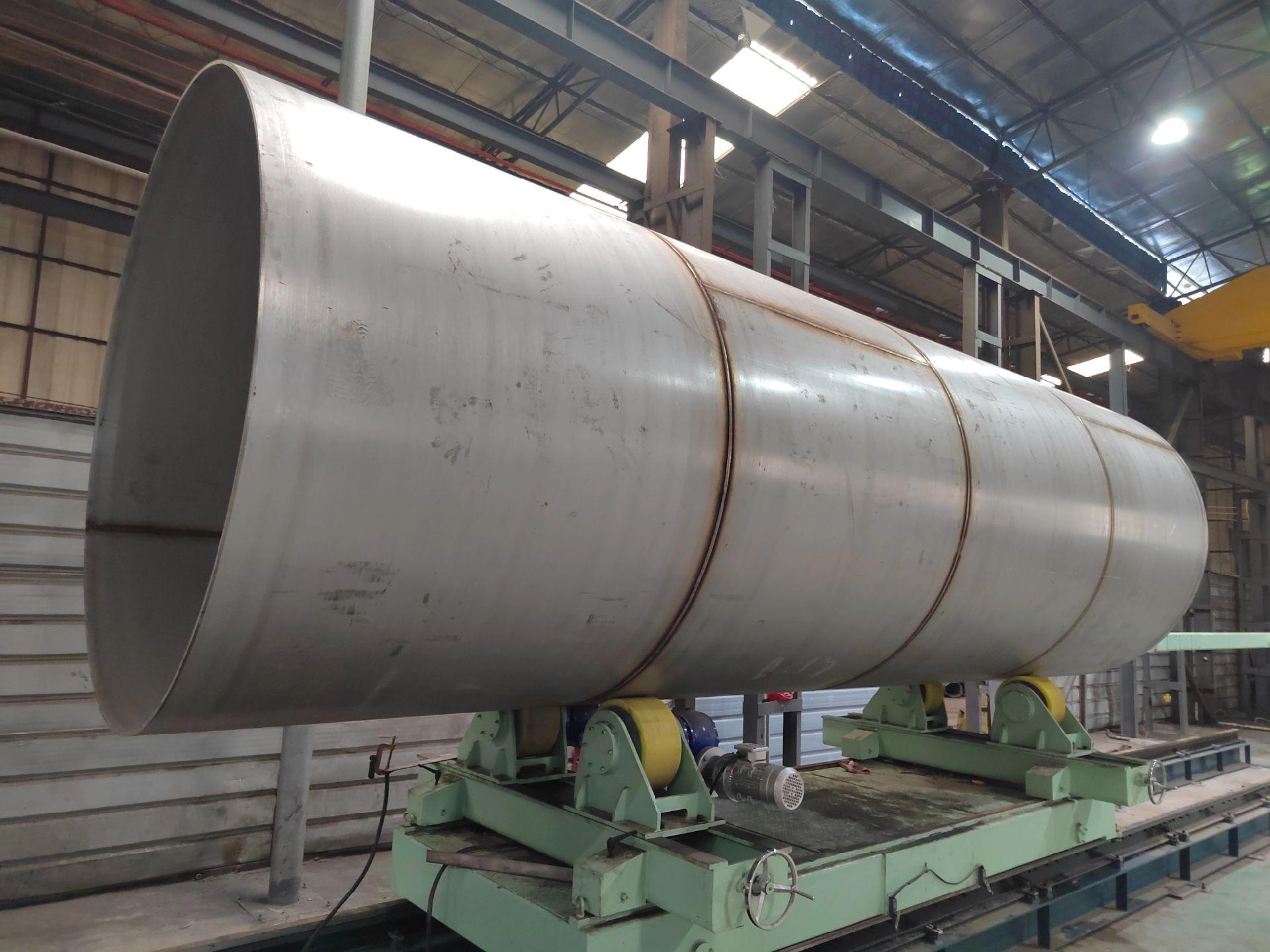
Stainless steel welded tubes are tubular products manufactured by welding stainless steel plates or strips along their length. The key characteristic is a longitudinal weld seam running along the tube body, where advanced welding technologies ensure a strong and durable joint.
- Base material feature: The base material contains at least 10.5% chromium, which provides excellent corrosion resistance.
- Classification: Depending on the microstructure, stainless steel can be classified into different types to suit various industrial applications.
- Difference from seamless tubes: Unlike seamless tubes, which are formed by extruding a single piece of metal, welded tubes are produced by forming and welding stainless steel strips.
- Size flexibility: This manufacturing method allows the production of tubes in continuous lengths and offers greater flexibility in size and dimensions.
- Application scope: As a result, stainless steel welded tubes are among the most widely used stainless steel pipe products across many industries.
2.0Manufacturing Process of Stainless Steel Welded Tubes
The manufacturing process of welded stainless steel tubes follows a strict and controlled sequence to ensure product consistency, safety, and durability.
- Material preparation and forming: Stainless steel sheets or coils are formed into a cylindrical shape using rolling machines. The material is cut to the required width using shearing equipment according to the desired tube diameter.
- Forming type: Forming can be carried out through hot forming or cold forming.
- Cold forming benefit: Cold forming generally produces smoother surfaces and tighter dimensional tolerances and often requires precision cold bending machines.
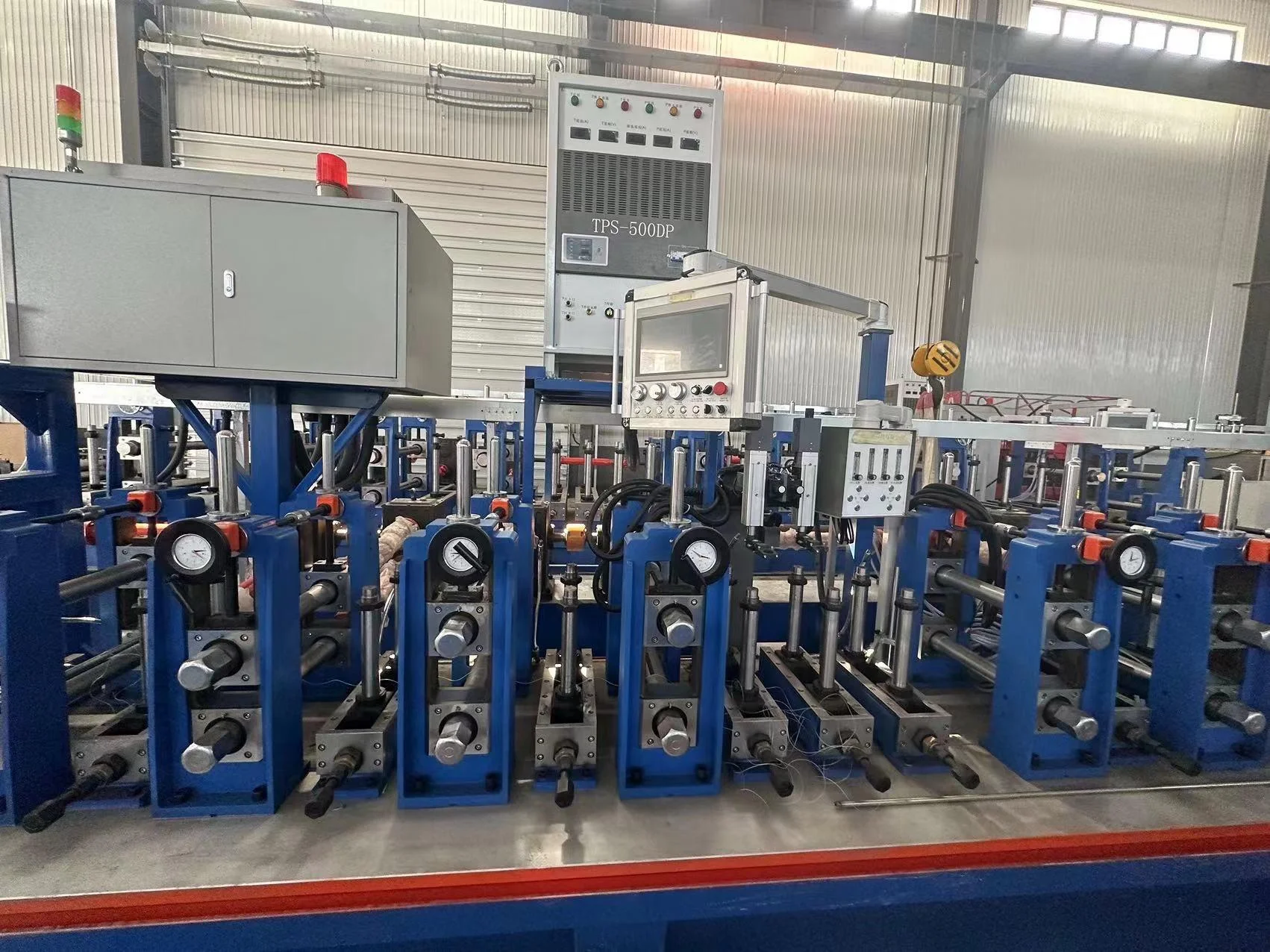
- Welding: Several welding technologies can be used to join the edges of the stainless steel strip and create the longitudinal seam.
- Common methods: TIG (GTAW), laser welding, plasma welding, and ERW (high-frequency electric resistance welding such as HFI).
- Specialized equipment: Specialized welding equipment such as TIG welders, plasma welders, and high-frequency induction welding machines are used during this stage.
- Thick-wall tube option: For large-diameter or thick-wall tubes, the SAW (Submerged Arc Welding) process may be applied.
- Heat treatment: After welding, the tubes usually undergo solution annealing.
- Process details: This process involves heating the tube in an annealing furnace followed by rapid cooling using cooling equipment.
- Purpose: Heat treatment helps remove internal stresses and restore corrosion resistance, especially for austenitic stainless steel tubes.
- Finishing and sizing: The tube dimensions are precisely adjusted using sizing machines or sizing rollers.
- Surface finishing: Surface finishing processes such as polishing and pickling are then performed to improve surface cleanliness and smoothness.
- Weld seam treatment: In some cases, weld seams may be leveled or ground to reduce weld bead height and improve surface appearance.
- Cutting: Finally, tube cutting machines are used to cut the tubes into the required lengths according to application needs.
- Inspection and testing: The finished tubes are inspected for dimensional accuracy, surface quality, and mechanical performance. Non-destructive testing is commonly used to ensure weld integrity and compliance with relevant industry standards.
During manufacturing, parameters such as wall thickness, diameter, and stainless steel alloy grade are selected based on the intended application. Tube diameters can range from precision small tubes with diameters of only a few millimeters to large industrial pipes exceeding 1–2 meters. The alloy type determines important properties such as corrosion resistance, strength, flexibility, and heat resistance.
3.0Quality Inspection and Testing of Stainless Steel Welded Pipes
To ensure the safety and reliability of stainless steel welded pipes, multiple quality inspection procedures are conducted during production and before delivery. These tests focus on key factors such as weld quality, dimensional accuracy, and sealing performance.
- Non-Destructive Testing (NDT): A primary method used to detect internal and surface defects in weld seams without damaging the tube.
- Ultrasonic testing (UT): Used to detect internal weld defects such as cracks, porosity, and inclusions. It offers deep penetration and high accuracy, making it widely used for thick-wall tube inspection.
- Eddy current testing (ECT): Mainly used to detect surface and near-surface defects in stainless steel tubes. It is especially suitable for thin-wall welded tubes and allows fast, high-efficiency batch inspection.
- Radiographic testing (RT): Uses X-ray or gamma ray imaging to clearly reveal internal weld defects and their exact location and size. This method is often applied in high-pressure or critical service conditions where weld quality requirements are extremely strict.
- Hydrostatic testing: This test evaluates the sealing performance and overall strength of the tube. Water is pumped into the pipe and pressurized to a specified level. The pressure is maintained for a period of time to check for leakage, deformation, or structural weakness.
- Dimensional inspection: Ensures the tube dimensions meet industry standards such as ASTM, EN, JIS, and GB/T.
- Key parameters: Outer diameter accuracy, wall thickness uniformity, ovality, and straightness.
- Purpose: Proper dimensional control helps ensure smooth installation and reliable operation.
- Surface quality inspection: The tube surface and weld seam are visually inspected for defects such as scratches, oxide scale, undercutting, incomplete fusion, or weld beads.
- Importance: Surface quality is especially important in hygienic industries such as food processing and pharmaceuticals because it directly affects corrosion resistance and service life.
- Mechanical property testing (optional): For applications requiring additional performance verification, tests may be conducted to evaluate tensile strength, yield strength, and elongation. These tests ensure the tube can withstand mechanical loads during actual operation.
4.0Main Advantages of Stainless Steel Welded Tubes
- Cost-effective: The manufacturing process is relatively simple with fewer production steps and high production efficiency. Compared with seamless tubes, welded tubes are generally more affordable while still meeting international performance standards.
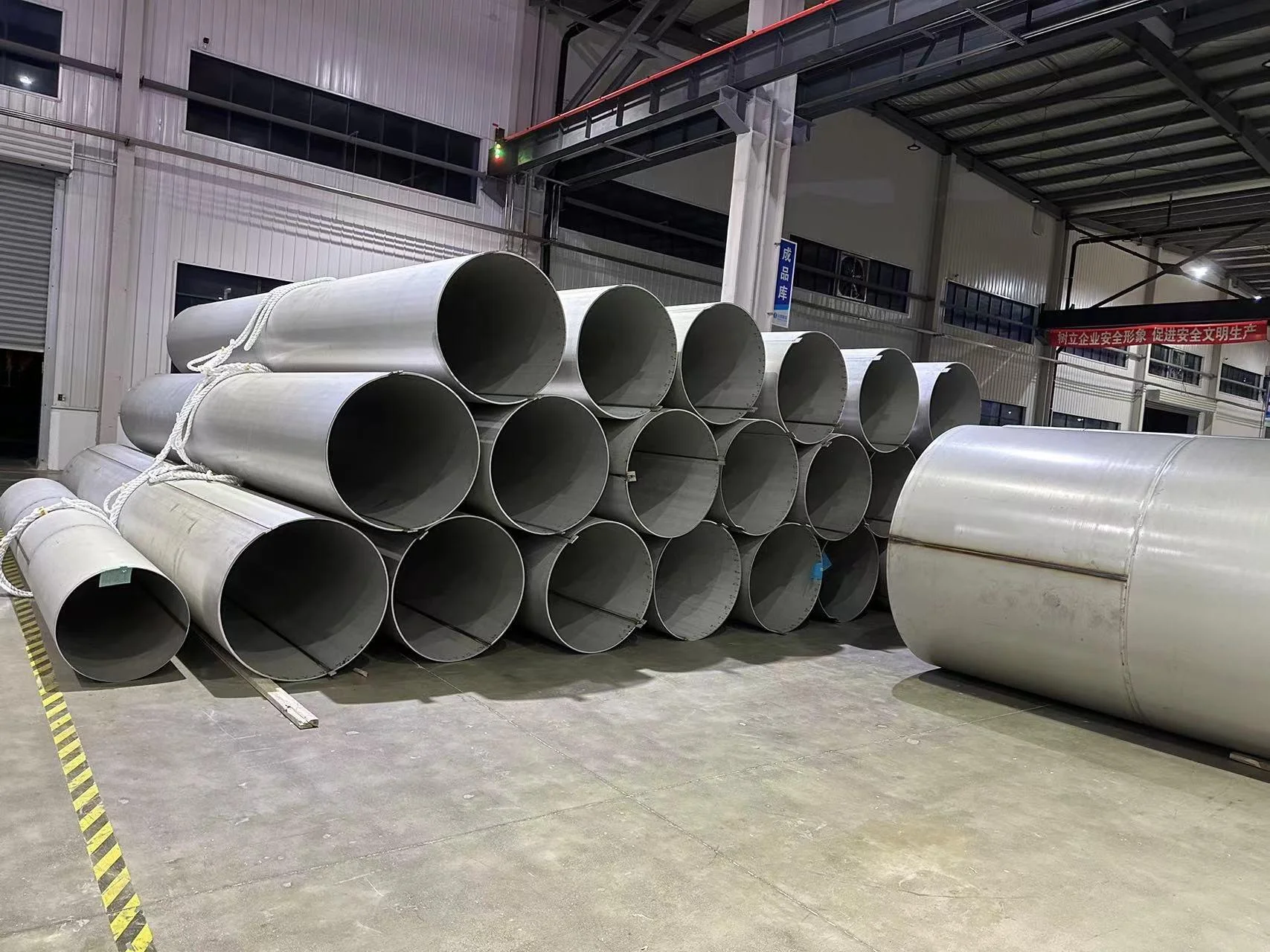
- Flexible dimensions: Welded tubes can be produced in continuous lengths and are suitable for large diameters and thin-wall specifications. Manufacturers can also customize diameter, wall thickness, and length to meet specific application requirements.
- Excellent corrosion resistance: Stainless steel materials naturally provide strong resistance to rust, pitting, and oxidation. Austenitic stainless steels in particular perform well in aggressive environments such as marine and chemical processing applications.
- Long service life: Stainless steel welded tubes are durable and structurally strong. When properly installed and maintained, they can remain in service for decades, reducing long-term replacement and maintenance costs.
- Easy processing and fabrication: These tubes are easy to weld, form, cut, and polish. Their good workability allows them to be adapted to various installation and manufacturing requirements across different industries.
- Sustainability: Stainless steel is a fully recyclable material. Stainless steel welded tubes can be recycled and reused, making them an environmentally friendly option that supports sustainable industrial development.
5.0Main Types of Stainless Steel Welded Tubes
Based on the microstructure of stainless steel, welded tubes are generally classified into four main types. Among them, austenitic stainless steel tubes are the most widely used.
- Austenitic stainless steel welded tubes: The most common type used in industrial and commercial applications.
- Typical grades: 304/304L and 316/316L.
- 304/304L: Offer excellent corrosion resistance and good workability, making them suitable for construction, food processing, and water supply systems.
- 316/316L: Contain molybdenum, which provides improved resistance to chlorides and chemical corrosion, making them ideal for marine, chemical, and pharmaceutical environments.
- Other grades: 309, 310, and 321 are used in high-temperature or specialized conditions.
- Ferritic stainless steel welded tubes: These contain lower nickel content and are generally more cost-effective. They provide good resistance to stress corrosion cracking but have lower toughness compared with austenitic steels. Typical applications include automotive exhaust systems and household appliances.
- Martensitic stainless steel welded tubes: Known for high strength and hardness. They are less commonly used for piping but are suitable for applications requiring high wear resistance and strength, such as blades or mechanical components.
- Duplex stainless steel welded tubes: These combine the microstructures of austenitic and ferritic stainless steel. Duplex tubes offer higher strength and superior resistance to stress corrosion cracking, making them suitable for demanding industries such as oil and gas, desalination, and chemical processing.
6.0Comparison of Common Stainless Steel Welded Tube Grades
The following table summarizes several commonly used stainless steel grades for welded tubes. It highlights their main chemical compositions, characteristics, and typical applications to help with material selection.
| Grade | Cr Content | Ni Content | Mo Content | Key Characteristics | Typical Applications |
| 304 | 18–20% | 8–10.5% | – | General-purpose stainless steel with excellent corrosion resistance, good weldability, and moderate cost | Construction, food processing, water supply systems, decorative piping |
| 304L | 18–20% | 8–12% | – | Low carbon version of 304 with improved resistance to intergranular corrosion and good weldability | Large pipelines, storage tanks, low-temperature applications |
| 316 | 16–18% | 10–14% | 2–3% | Excellent resistance to chlorides, seawater, and chemical corrosion; stronger than 304 | Marine engineering, chemical processing, pharmaceuticals, desalination systems |
| 316L | 16–18% | 10–14% | 2–3% | Low carbon version with superior resistance to intergranular corrosion and pitting; excellent welding performance | Highly corrosive environments, high-purity fluid transport (pharmaceuticals, electronics) |
| 321 | 17–19% | 9–12% | – | Titanium-stabilized stainless steel with good resistance to intergranular corrosion and high-temperature performance up to about 800°C | High-temperature equipment, boilers, heat exchangers |
| 309 | 22–24% | 12–15% | – | Excellent oxidation resistance and high-temperature stability, suitable for temperatures up to about 1000°C | Industrial furnaces, metallurgical equipment, high-temperature piping |
| 2205 (Duplex) | 21–23% | 4.5–6.5% | 3–3.5% | High strength with excellent resistance to stress corrosion cracking and good overall corrosion resistance | Oil and gas industry, seawater desalination, high-pressure pipelines |
7.0Typical Specifications of Stainless Steel Welded Tubes
The specifications of stainless steel welded tubes vary depending on industry standards and application requirements. Common specification ranges include the following:
- Outer diameter (OD): Typically ranges from 1/8 inch (3.18 mm) to 30 inches (762 mm) or larger.
- Small-diameter tubes: Usually produced using precision tube rolling machines and are commonly used in industries such as food processing.
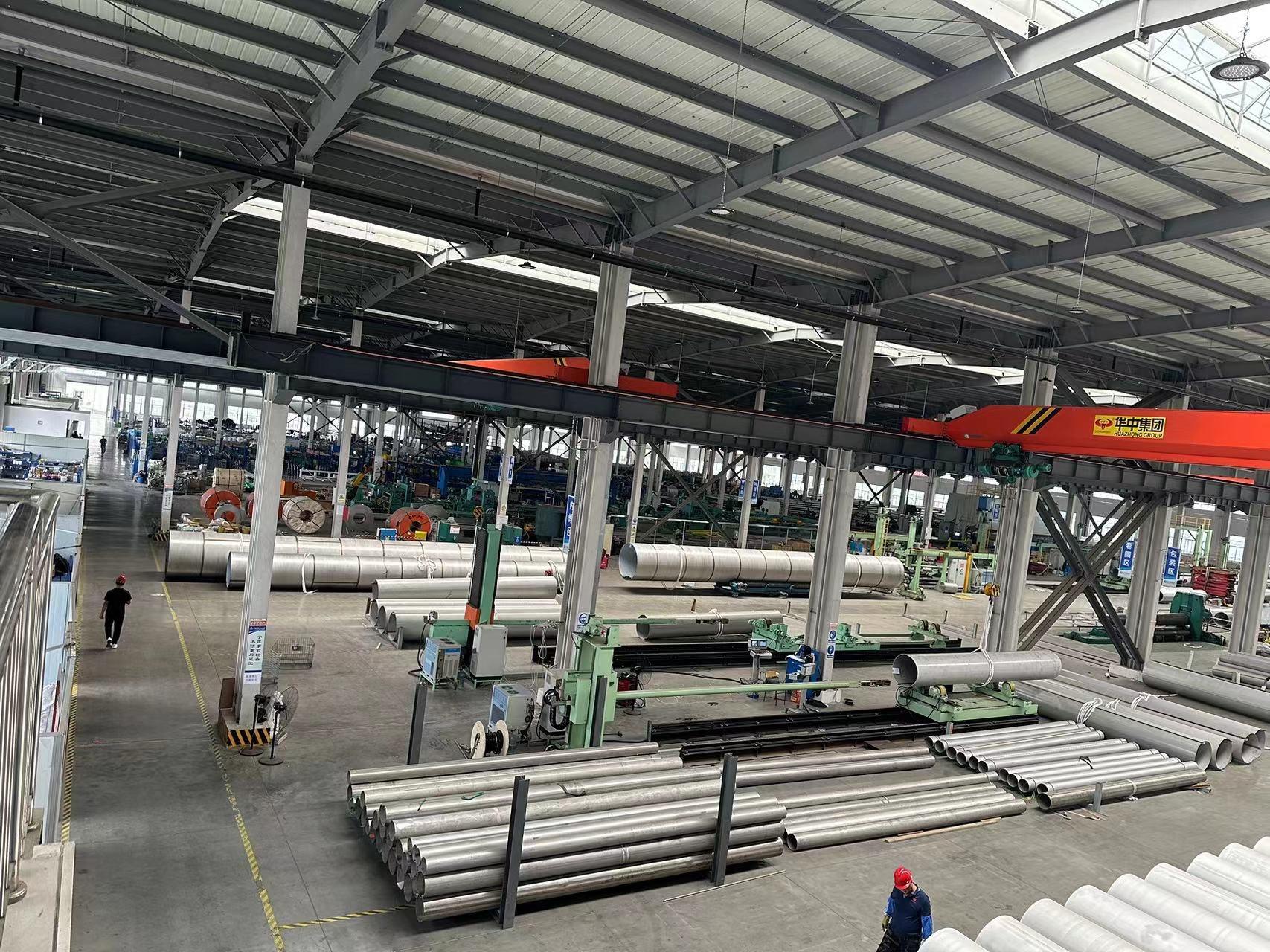
- Large-diameter tubes: Manufactured using heavy-duty plate rolling machines and tube expanding equipment and are widely used in oil, chemical processing, and water treatment systems.
- Wall thickness: A wide range of wall thicknesses is available, from thin-wall low-pressure specifications such as Schedule 5S and 10S to standard industrial grades including Schedule 40S and 80S. The “S” designation indicates stainless steel pipe schedules.
- Length: The standard pipe length is typically 20 feet (approximately 6 meters). However, tubes can be cut to custom lengths using tube cutting machines to meet the specific requirements of different projects and installation environments.
- Standards and specifications: Stainless steel welded tubes are manufactured according to widely recognized standards such as ASTM A312 / ASME SA312 (for austenitic stainless steel pipes), ASME B36.19 (pipe dimensions), ASME B16.9 (buttwelding fittings), ASME B16.5 (pipe flanges), and EN 10217 (European standard for welded stainless steel pipes). Compliance with these standards is usually verified through hydrostatic testing and non-destructive inspection.
8.0Common Applications of Stainless Steel Welded Tubes
Because of their combination of strength, corrosion resistance, and cost efficiency, stainless steel welded tubes are widely used across many industries. Typical application areas include:
- Construction and architecture: Used for handrails, structural supports, decorative frames, and building components. Stainless steel tubes provide good weather resistance and can be used in both indoor and outdoor environments.
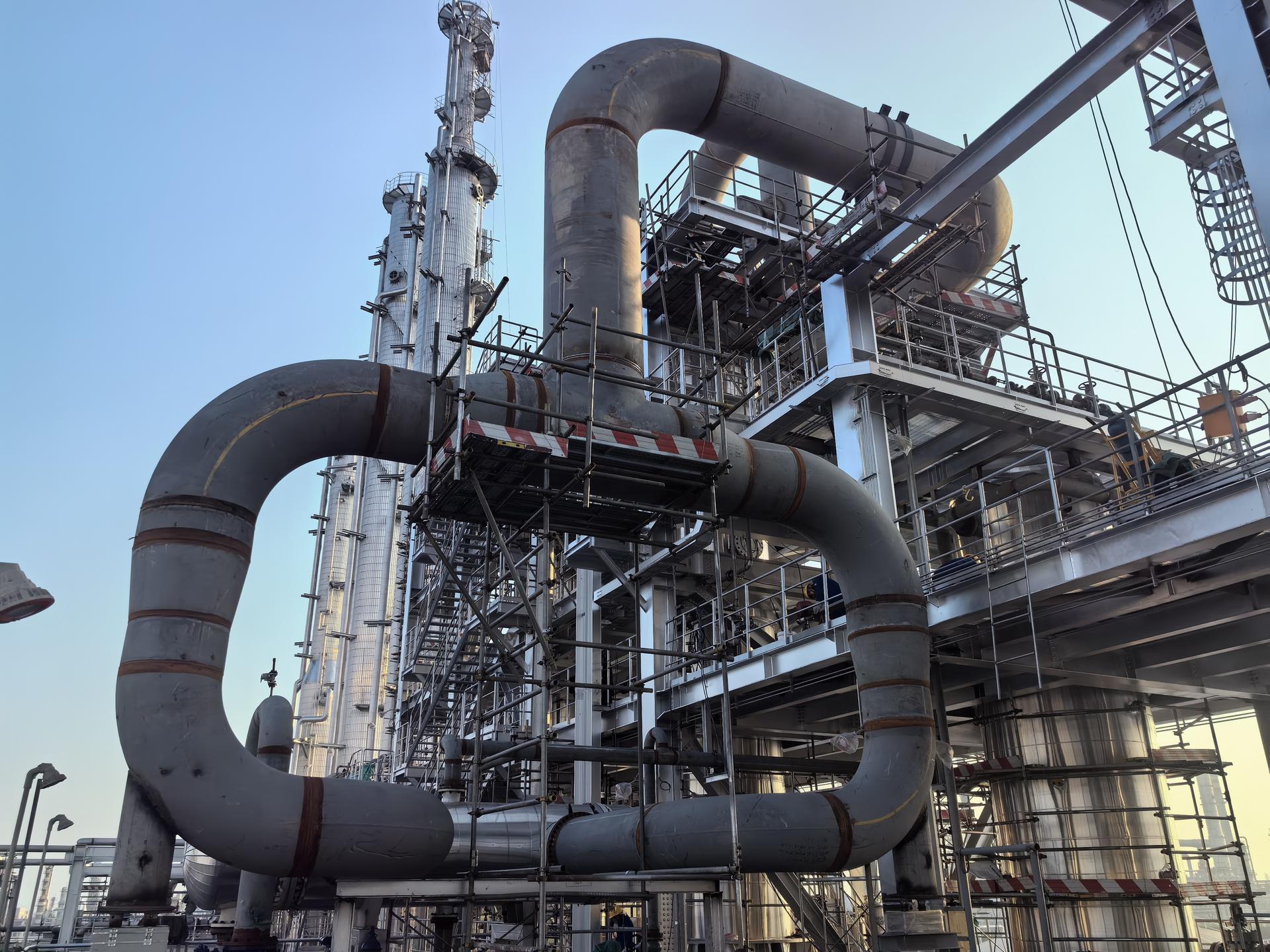
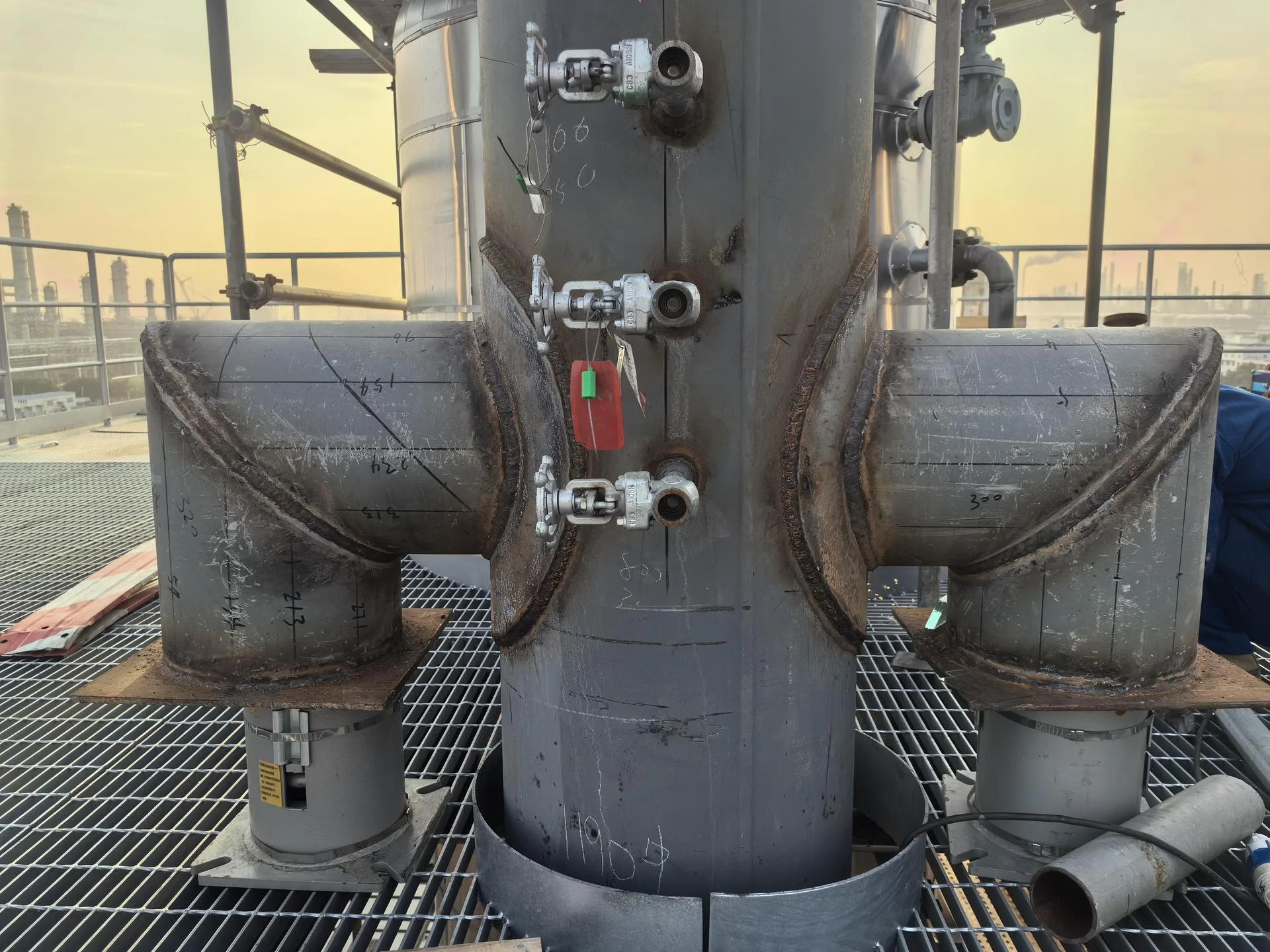
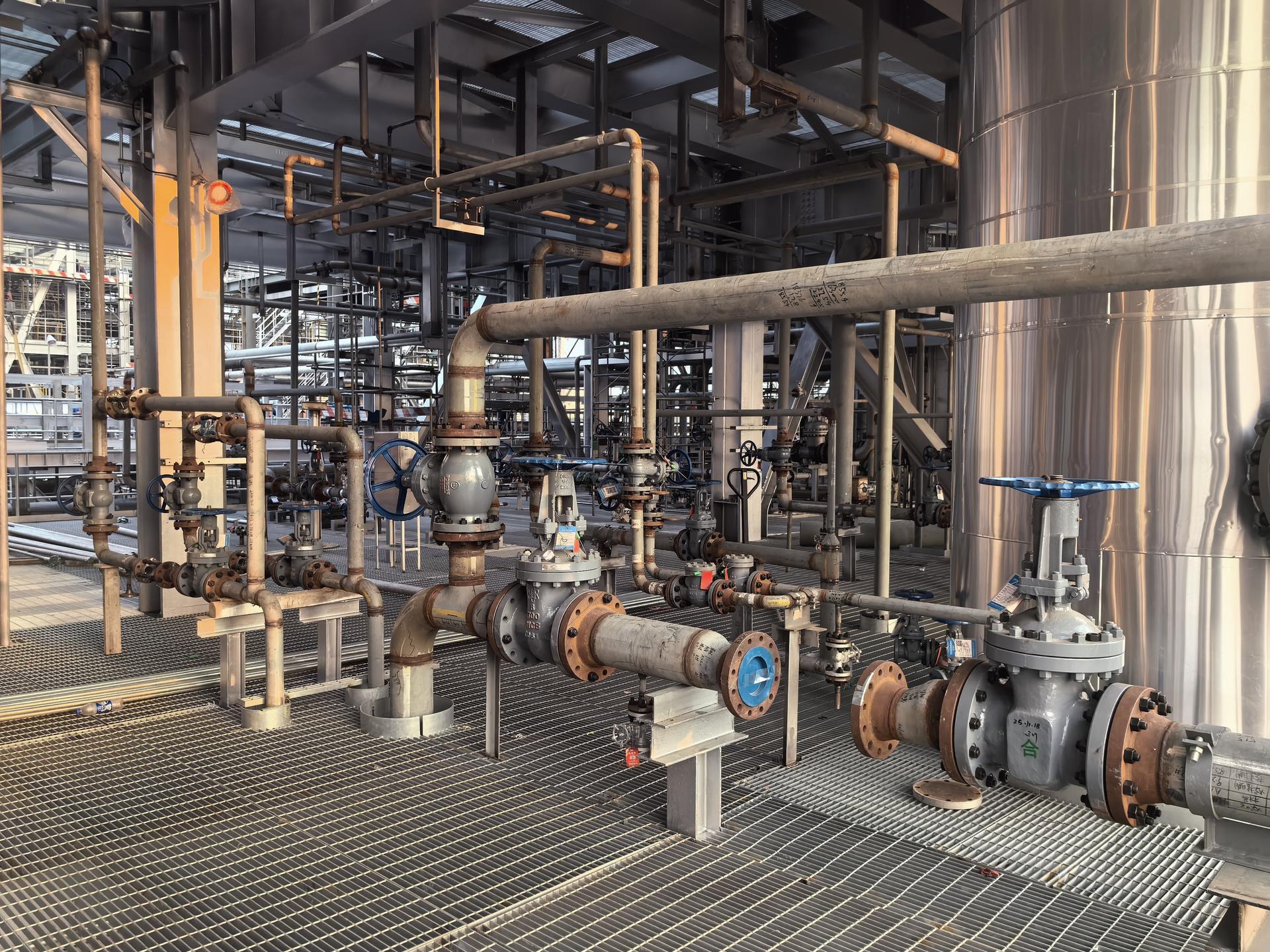
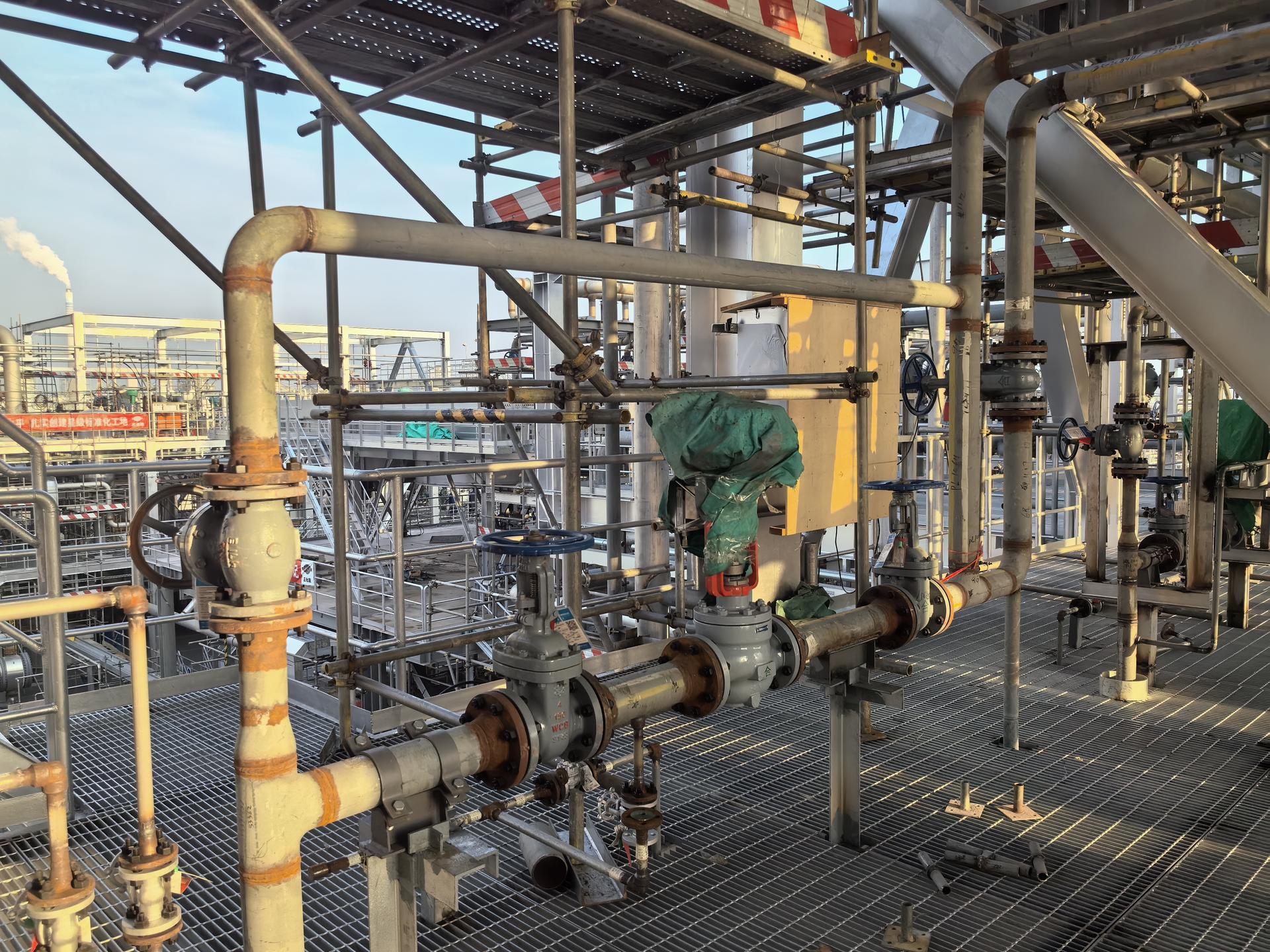
- Oil, gas, and petrochemical industry: Used to transport oil, natural gas, and chemical fluids. These tubes can withstand high pressure and extreme temperatures and are commonly used in pipelines and refinery equipment.
- Food and beverage processing: Hygienic stainless steel welded tubes are commonly used for transporting liquids and gases in breweries, dairy plants, and food processing facilities. They offer contamination resistance and smooth surfaces that are easy to clean.
- Water treatment systems: Widely used in seawater desalination plants and wastewater treatment facilities. Their corrosion resistance and long service life make them suitable for water transport and treatment systems.
- Automotive industry: Used in exhaust systems, hydraulic lines, and structural components. Stainless steel tubes offer heat resistance, pressure resistance, and a good balance of strength and weight.
- Pharmaceutical and chemical industries: Used to transport acids, solvents, and high-purity fluids. Grades such as 316 and 316L are commonly selected because of their superior corrosion resistance and ability to maintain fluid purity.
- Other industries: Stainless steel welded tubes are also used in medical equipment, marine engineering, power generation, aerospace, and mining. In medical applications, precision small-diameter tubes are often produced using specialized welding and tube rolling equipment. Different grades and specifications are selected depending on the service environment.
9.0Comparison Between Stainless Steel Welded Tubes and Seamless Tubes
The main difference between welded tubes and seamless tubes lies in their manufacturing process, which affects performance, cost, and typical applications.
| Comparison Aspect | Welded Tubes | Seamless Tubes |
| Manufacturing process | Produced by rolling stainless steel plates or strips and welding them along the seam | Manufactured by piercing, extruding, and rolling a solid steel billet |
| Strength and pressure resistance | Because of the welded seam, welded tubes are generally less suitable for extremely high-pressure or critical safety applications, although modern welding and heat treatment technologies allow them to meet most industrial standards | No weld seam, offering higher pressure resistance and suitability for high-pressure and critical service conditions |
| Cost | Higher production efficiency and lower manufacturing cost | More complex manufacturing process and higher cost |
| Size range | Suitable for large-diameter and thin-wall tubes with high dimensional flexibility | More suitable for small-diameter and thick-wall tubes; large diameters are more difficult to produce |
| Lead time | Faster production and shorter delivery time | More complex production process and longer lead time |
| Corrosion resistance | Good corrosion resistance overall, though weld areas may require proper heat treatment | No weld seam and typically smoother internal surfaces, offering slightly better corrosion resistance |
| Typical applications | Most construction, industrial, and infrastructure projects, especially medium- and low-pressure systems and large-diameter piping | High-pressure systems, critical service conditions, and small-diameter thick-wall piping |
10.0Special Type: Stainless Steel Welded U Tubes
Definition
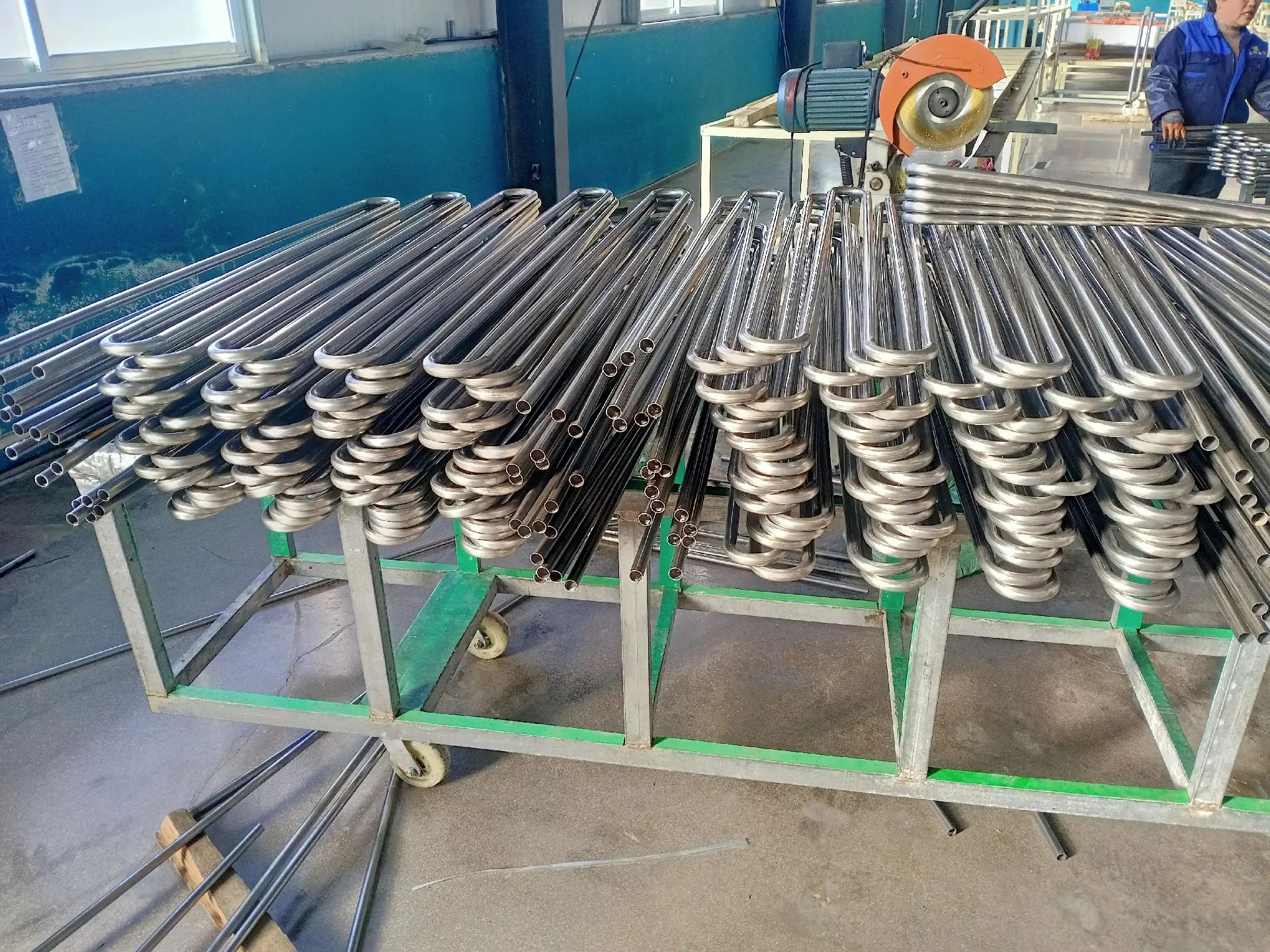
Stainless steel U tubes are typically formed by bending straight stainless steel tubes through cold bending or hot bending processes. In some special structures, they may also be assembled through welding. Thanks to the corrosion resistance of stainless steel, U tubes can operate reliably in a variety of demanding environments. When welding is involved, the process ensures strong joints, tight sealing, and leak-free performance.
Types
- 304 type: Offers good corrosion resistance and excellent formability. It is widely used in industries such as food and beverage processing.
- 316 type: Contains molybdenum, providing superior resistance to chlorides and seawater corrosion. It is suitable for marine and chemical processing environments.
- Duplex stainless steel type: Provides higher strength and improved resistance to stress corrosion cracking, making it suitable for high-pressure applications.
- Custom types: U tubes can be manufactured in customized sizes, wall thicknesses, and bending configurations according to specific project requirements.
Applications
- Heat exchangers: Stainless steel U tubes are widely used in heat exchangers for efficient heat transfer, particularly in power plants and HVAC systems.
- Boiler systems: Used to transport water and steam under high temperature and pressure conditions, helping ensure the safe and stable operation of boiler systems.
- Oil and gas industry: Used to transport crude oil and natural gas while resisting corrosion and extreme operating conditions.
- Food and pharmaceutical industries: Hygienic stainless steel U tubes meet strict sanitation standards and are used for contamination-free transport of liquids and pharmaceutical products.
- Water treatment and marine applications: Their excellent corrosion resistance makes them suitable for desalination plants, water treatment facilities, and marine equipment.
11.0Frequently Asked Questions About Stainless Steel Welded Tubes
Q: How should I choose between stainless steel welded tubes and seamless tubes?
A: The choice mainly depends on the operating conditions. For medium- and low-pressure applications, large-diameter piping, or projects with cost considerations—such as construction and general water treatment—welded tubes are usually preferred due to their cost efficiency and dimensional flexibility. For high-pressure or critical safety applications, such as high-pressure chemical pipelines or nuclear power systems, seamless tubes are generally preferred because they have no weld seam and offer higher pressure resistance. However, modern welding and heat treatment technologies allow welded tubes to meet the requirements of most industrial applications.
Q: What is the main difference between 304 and 316 welded stainless steel tubes?
A: The key difference is the presence of molybdenum and the level of corrosion resistance. Grade 316 contains 2–3% molybdenum, giving it much stronger resistance to seawater, chlorides, and chemical corrosion compared with 304. Grade 304 does not contain molybdenum and is suitable for general environments. For typical construction, food processing, or potable water systems, 304 is commonly used. For marine, chemical, pharmaceutical, or desalination environments, 316 or 316L is recommended.
Q: Are the weld seams in stainless steel welded tubes prone to corrosion?
A: The weld area can be a potential weak point if welding quality is poor or if proper heat treatment is not applied. However, modern welding technologies such as TIG welding, laser welding, and high-frequency welding, combined with proper solution annealing and non-destructive testing, can significantly improve weld integrity. When manufactured according to industry standards, stainless steel welded tubes can achieve performance levels comparable to seamless tubes in many applications.