



- 1.0What Are Aluminium Windows?
- 2.0Where Are Aluminium Windows Commonly Used?
- 3.0Main Types of Aluminium Windows
- 4.0What Are the Key Advantages of Aluminium Windows?
- 5.0Design and Core Components of Aluminium Windows
- 6.0How Are Aluminium Windows Manufactured?
- 7.0Why Do Aluminium Windows Require a Thermal Break Structure?
- 8.0How to Choose the Right Aluminium Windows?
- 9.0Key Terms Related to Aluminium Windows
- 10.0How to Maintain and Care for Aluminium Windows?
- 11.0Frequently Asked Questions About Aluminium Windows
- 12.0Aluminium Windows vs. uPVC Windows
- 13.0Aluminium Windows vs. Anodized Aluminium Windows
- 14.0What Are the Disadvantages of Aluminium Windows?
- 15.0Summary: Long-Term Value and Applications of Aluminium Windows
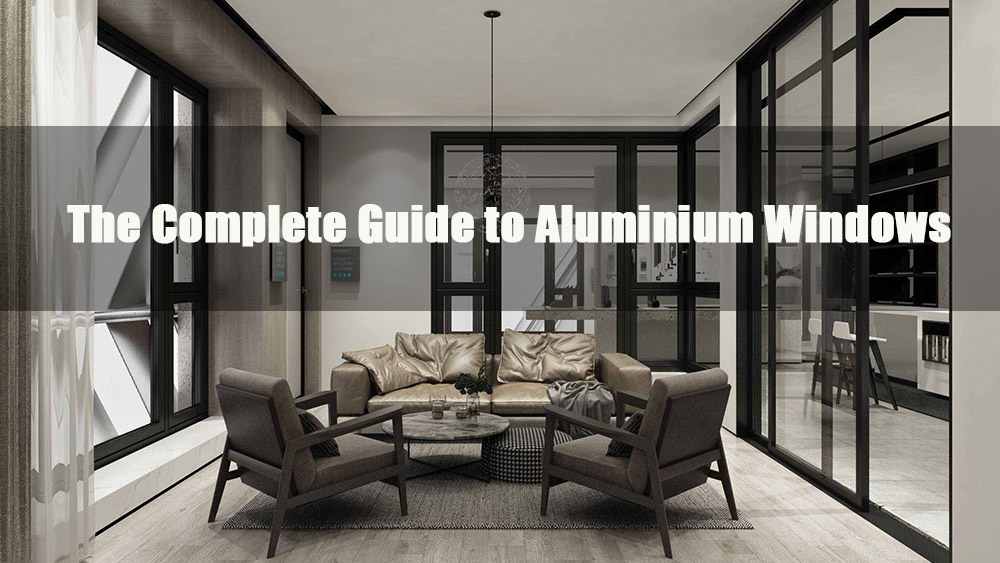
1.0What Are Aluminium Windows?
Aluminium windows are window units installed within wall openings, featuring frames made from aluminium alloy. Their primary function is to provide natural light and ventilation to interior spaces while offering durability, low maintenance, and a clean, modern appearance.Known for their high strength, corrosion resistance, and slim profiles, aluminium windows allow for larger glass areas and wider views. They are widely used in residential and commercial buildings, helping improve both the functionality and visual appeal of modern architecture.
2.0Where Are Aluminium Windows Commonly Used?
- Residential Homes: Ideal for creating bright, well-ventilated living spaces that align with contemporary architectural styles while enhancing the overall look and feel of the home.
- Office Buildings: Durable frames support large glass panels, allowing maximum natural light penetration while contributing to improved building energy efficiency.
- High-Rise Buildings: With an excellent strength-to-weight ratio, aluminium windows are often used in large glass façade systems, providing expansive views without compromising structural integrity.
- Educational Institutions: Provide classrooms with ample daylight while reducing long-term maintenance requirements, making them suitable for practical campus environments.
- Retail Stores: Clear glass displays showcase products effectively while creating an inviting and comfortable shopping atmosphere that attracts customers.
3.0Main Types of Aluminium Windows
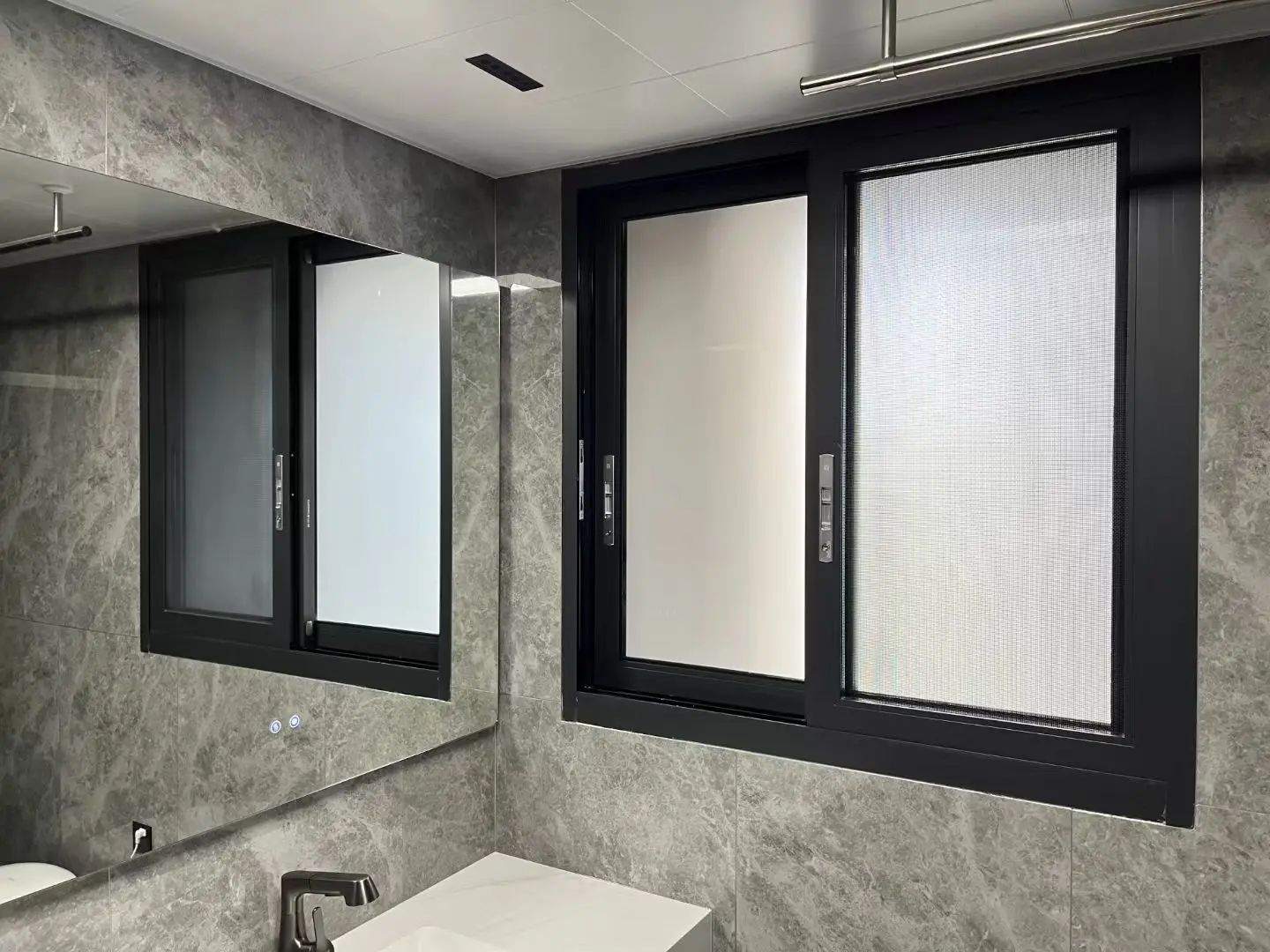
Aluminium windows are available in various designs based on opening style and structural configuration, allowing them to suit different architectural and spatial needs. Common types include:
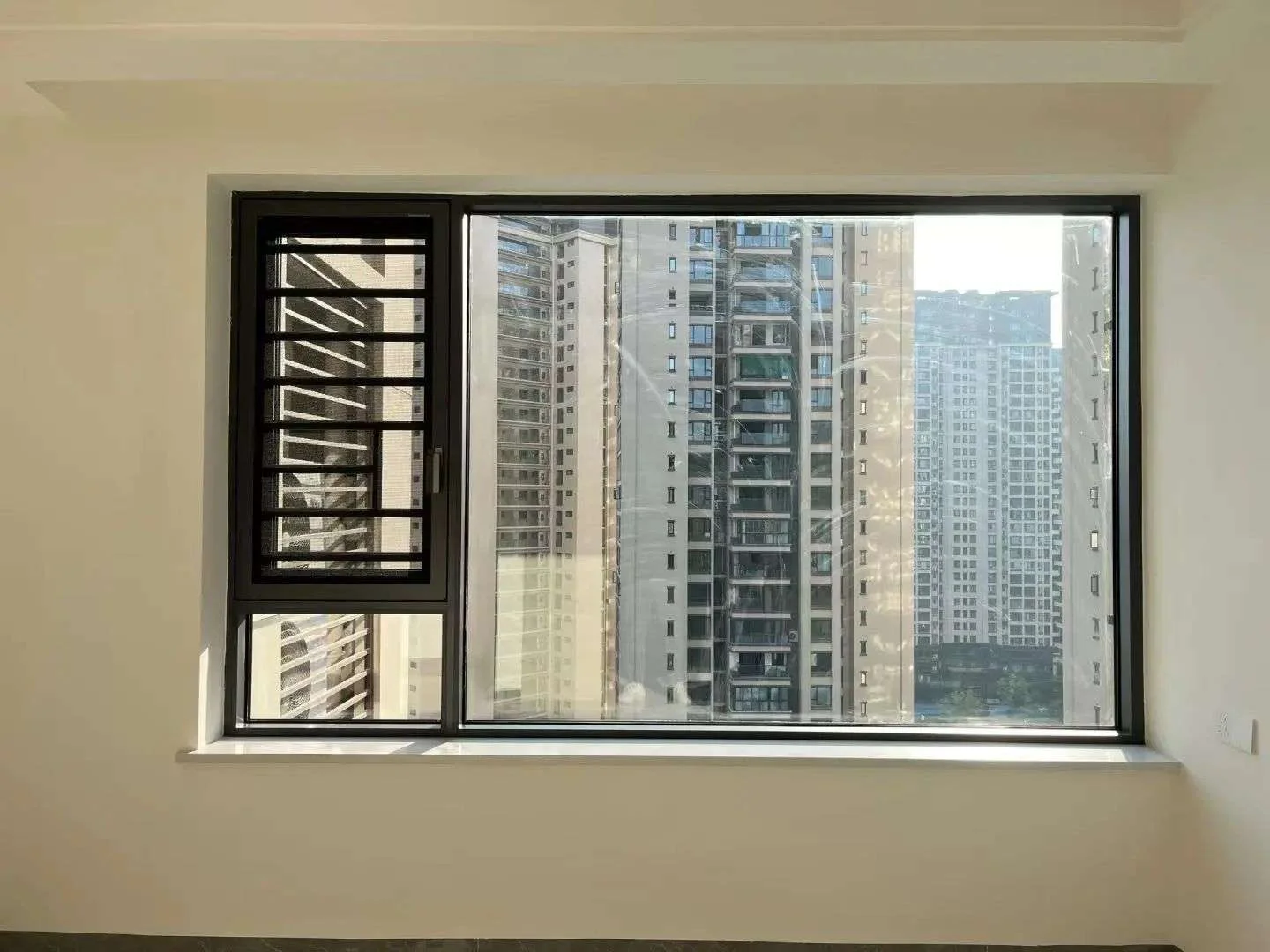
- Casement Aluminium Windows: Hinged at the side and designed to open inward or outward, these windows provide excellent ventilation and unobstructed views. Their tight sealing performance also contributes to improved insulation and energy efficiency.
- Sliding Aluminium Windows: Operate by sliding horizontally along tracks. With a clean and space-saving design, they do not require additional opening space, making them ideal for balconies or rooms with limited space while maintaining good thermal performance.
- Folding Aluminium Windows: Consist of multiple panels that fold together when opened. They can swing inward, outward, or around corners, sometimes spanning an entire wall to create a wide, unobstructed panoramic opening. They are also easy to clean and maintain, making them suitable for spacious homes and entertainment areas.
- Tilt and Slide Aluminium Windows: Designed to tilt from the top for ventilation or open fully when needed. They allow both vertical and horizontal movement, offering flexible airflow while being well suited to smaller spaces.
- Other Specialized Types: Including wind-resistant windows, black aluminium windows, slim-profile windows, and thermally enhanced aluminium windows, each designed to meet specific needs such as extreme climates, minimalist architecture, or improved energy efficiency.
4.0What Are the Key Advantages of Aluminium Windows?
- Exceptional Durability: Aluminium frames are resistant to warping, corrosion, and weather damage. They are not affected by harmful UV exposure and offer greater structural strength than wood or vinyl frames. Aluminium windows can withstand extreme weather conditions such as strong winds, heavy rain, and intense sunlight, ensuring a long service life.
- Wide Range of Color Options: Through surface treatments such as powder coating and anodizing, aluminium windows can be finished in thousands of color options. This flexibility allows them to match virtually any architectural style or design scheme, and different colors can even be selected for interior and exterior surfaces.
- Energy Efficiency: The lightweight and flexible nature of aluminium allows manufacturers to create frames with excellent wind resistance, water resistance, and airtight performance. When combined with thermal break technologyand double or triple glazing, aluminium windows help reduce heat transfer and improve overall energy efficiency.
- Cost-Effective Solution: Aluminium window frames are generally more affordable than wood alternatives. Their excellent sealing performance can help reduce long-term energy costs, and their long lifespan means they require less frequent replacement, making them a cost-effective option over time.
- Low Maintenance Requirements: Aluminium windows do not require repainting and are resistant to warping, rotting, or cracking. Routine cleaning with mild soap and water is usually sufficient, and durable moving components reduce the need for frequent maintenance.
- Smooth Operation: Thanks to the rigidity of aluminium, window frames maintain their shape over time. This ensures smooth opening and sliding performance without sticking or mechanical issues.
- Effective Sound Insulation: Aluminium frames are stronger and heavier than many alternative materials, allowing them to support thicker glass panels. This helps reduce outdoor noise, making them particularly suitable for buildings in busy urban areas.
- Enhanced Security: Aluminium windows can be equipped with high-quality hardware and multi-point locking systems that provide strong resistance against forced entry. Aluminium is also non-combustible, offering an additional level of fire resistance.
- Flexible Design Possibilities: Slim aluminium profiles allow for larger glass areas, bringing more natural light into interior spaces. Frames can also be customized into a wide range of shapes, including rectangular, arched, and trapezoidal designs to suit different architectural requirements.
- Environmentally Friendly: Aluminium is 100% recyclable. Recycling aluminium consumes significantly less energy than producing new aluminium, making it a sustainable material choice that helps reduce the overall carbon footprint.
5.0Design and Core Components of Aluminium Windows
5.1What Is the Design Foundation of Aluminium Windows?
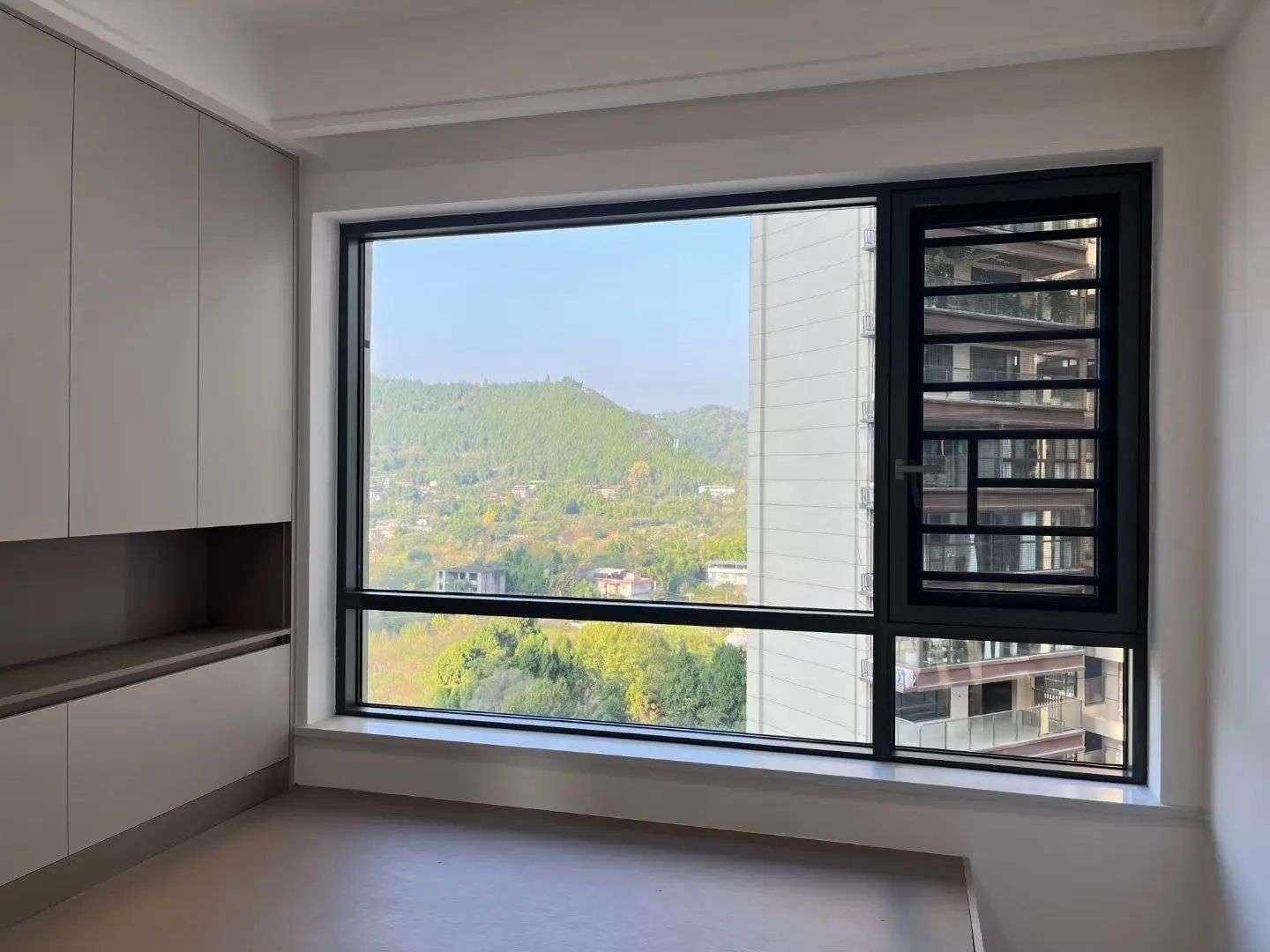
The core of aluminium window design lies in the frame profiles. Through casting and extrusion processes, aluminium is formed into precise shapes and dimensions that create the window frame structure and corner joints. This design maintains a lightweight structure while providing the rigidity needed to support glass panels and meet requirements for insulation, stability, and durability.Aluminium window designs can be customized to match architectural styles, ranging from sleek modern aesthetics to more decorative designs. The window sash structure is also carefully designed to match the opening style, ensuring smooth and reliable operation.
5.2What Are the Core Components of Aluminium Windows?
- Window Frames and Trim: The window frame is securely installed into the building wall to prevent moisture and air infiltration. Exterior trims and decorative covers enhance the appearance while providing additional protection against wind and rain. Various finishes, such as brushed aluminium and powder-coated surfaces, are available to match different architectural styles.
- Tracks and Window Sills: The track system integrates the sliding mechanism for the window sash and is designed to minimize friction and reduce wear, ensuring long-term durability. The window sill, located at the lower edge of the window, serves both decorative and functional purposes, helping protect against moisture. In some designs, extended sills can also be used as seating or display areas.
- Glass and Thermal Components: Glass plays a key role in window performance. Options may include tinted glass, tempered glass, or low-emissivity (Low-E) glass. Aluminium glazing bars secure the glass panels firmly in place to ensure tight sealing. Thermal breaktechnology is also an important component in modern aluminium windows, reducing heat transfer, improving insulation performance, and preventing condensation.
- Hardware and Accessories: Components such as insect screens, screws, hinges, and sealing strips support the overall function of the window system. Insect screens allow ventilation while keeping insects out, and high-quality hardware ensures smooth operation, improved sealing performance, and enhanced security.
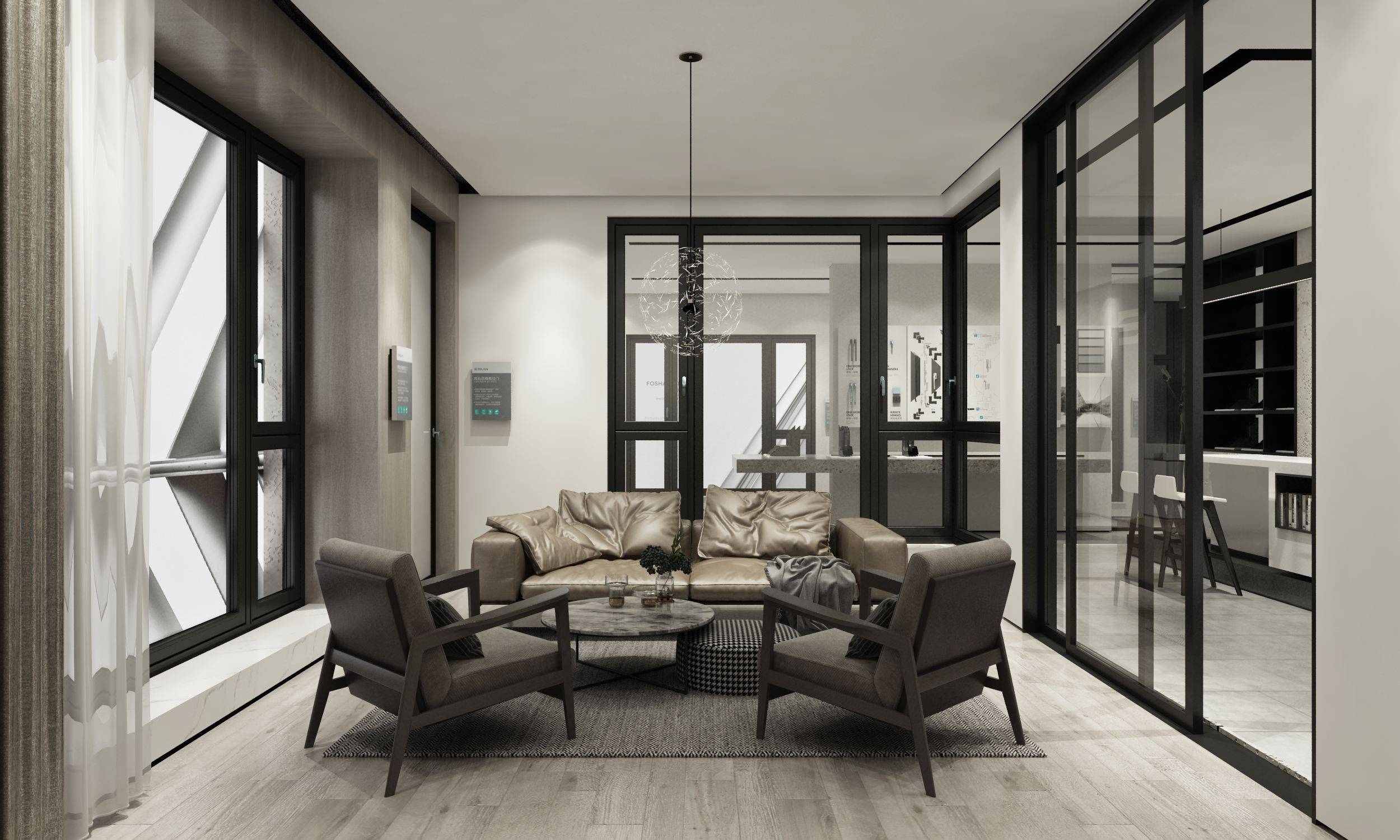
6.0How Are Aluminium Windows Manufactured?
- Raw Material Preparation: Aluminium alloy is the primary material used in window production. It typically includes elements such as copper and magnesium, which enhance corrosion resistance, strength, and formability. This material composition provides the foundation for durable and high-performance window frames.
- Extrusion Forming: Aluminium billets are pushed through precision dies to create window frame profiles with specific shapes and dimensions. This extrusion process is a critical manufacturing step, as it determines the structural accuracy, strength, and surface quality of the profiles.
- Cutting and Punching: After extrusion, aluminium profiles are precisely cut using aluminium profile cutting machines. Punching equipment such as aluminium profile punching machines is then used to create required holes and openings, ensuring accurate positioning and dimensions for the next stage of assembly.
- Frame Assembly: The aluminium profiles are connected using screws, rivets, or other fastening systems. Tight and seamless joints are essential to prevent air leakage and water infiltration while ensuring the structural stability of the window frame.
- Surface Finishing: Window frames undergo finishing processes such as powder coating or anodizing. These treatments enhance corrosion resistance, improve appearance, and provide a wide range of color options to match different architectural styles.
- Glass Installation: Glass panels are carefully inserted into the glazing channels and secured using rubber seals or gaskets. Proper installation ensures tight sealing and supports the window’s insulation and water resistance performance.
- Quality Inspection: Each window is thoroughly inspected to verify frame dimensions, structural alignment, surface finishing quality, and sealing performance, ensuring that the product meets industry standards and performance requirements.
- Packaging and Storage: Finished windows are professionally packaged for protection and placed on dedicated storage racks to prevent damage during handling, storage, and transportation before delivery.
7.0Why Do Aluminium Windows Require a Thermal Break Structure?
A thermal break, commonly referred to as Thermal Break Aluminium, is a key structural feature in modern aluminium windows. In both Asian and Western markets, it is considered a critical indicator of energy-efficient window performance. The main purpose of this design is to address aluminium’s naturally high thermal conductivity.
- Solving Aluminium’s Heat Transfer Issue: Aluminium is highly conductive. Without a thermal break, outdoor heat or cold can easily pass through the frame and affect indoor temperatures, reducing insulation performance.
- Insulation Through Thermal Barriers: The core component of a thermal break system is the insulating strip, typically made from materials such as polyamide that offer excellent heat resistance and very low thermal conductivity. This strip separates the interior and exterior aluminium sections of the frame, effectively creating a “break” in the heat transfer path.
- Improved Energy Efficiency: By blocking heat transfer, thermal break technology reduces heat loss in winter and limits heat gain in summer. This helps lower the energy consumption of heating and cooling systems, resulting in long-term energy savings.
- Condensation Prevention: The thermal break structure helps reduce the temperature difference between the inner and outer surfaces of the frame. This prevents condensation from forming on the frame surface, protecting walls, window components, and nearby furniture while improving indoor comfort.
8.0How to Choose the Right Aluminium Windows?
Selecting the right aluminium windows requires balancing performance, application needs, and architectural design. Key considerations include:
- Identify the Application Scenario: Determine whether the windows will be used in residential buildings, commercial projects, or high-rise structures. Environmental factors such as coastal conditions or cold climates should also be considered when selecting corrosion-resistant or thermally enhanced products.
- Prioritize Thermal Break Design: Thermal breaktechnology is a key performance standard in both Chinese and Western markets. Ensure the window system includes high-quality polyamide thermal strips to effectively reduce heat transfer and prevent condensation.
- Choose the Appropriate Window Type: Select the window style based on available space and functional needs. Sliding windows work well in compact spaces, casement windows provide excellent ventilation and views, folding windows are suitable for wide openings, and slim-profile windows are ideal for modern minimalist designs.
- Focus on Core Performance: Evaluate insulation, soundproofing, and sealing performance. Windows paired with double or triple Low-E glazingcan significantly improve energy efficiency while reducing external noise. High-quality hardware should also be checked to ensure smooth operation and durability.
- Balance Appearance and Practicality: Frame colors and surface finishes such as powder coating or anodizing can be selected to match the building’s architectural style. Interior and exterior finishes may also differ to complement indoor and outdoor design schemes while maintaining easy maintenance.
- Pay Attention to Materials and Craftsmanship: Verify the quality and purity of the aluminium profiles and confirm that precise manufacturing processes are used. Accurate cutting and punching ensure tight frame connections, preventing potential issues such as air leakage or water infiltration.

9.0Key Terms Related to Aluminium Windows
- Double-Glazed Windows: Windows consisting of two layers of glass separated by an air space, often paired with aluminium frames to improve insulation and energy efficiency.
- Thermal Break: A structural component within aluminium window frames that uses insulating materials to reduce heat transfer between the interior and exterior sections of the frame.
- Casement Window: A window hinged at the side that opens inward or outward, typically using an aluminium frame for improved ventilation and sealing performance.
- Sliding Window: A window that opens by sliding horizontally along a track. Aluminium frames help ensure smooth operation and long-term durability.
- Window Glazing: The process of installing glass into the window frame. Proper glazing is essential for ensuring sealing performance, insulation, and overall safety.
- Anodizing: A surface treatment process in which aluminium is immersed in an acidic solution and electrically charged to form a durable oxide layer, improving corrosion resistance and allowing various color finishes.
- Powder Coating: A finishing technique where powdered coating material is applied to the aluminium surface and cured under heat, creating a durable, smooth, and scratch-resistant finish that resists fading over time.
10.0How to Maintain and Care for Aluminium Windows?
One of the key advantages of aluminium windows is their low maintenance requirements. With simple routine care, they can maintain both their appearance and performance for many years. The following maintenance practices are recommended:
- Routine Cleaning: Clean the window frames regularly using mild soap and water. This helps remove dust, dirt, and debris, keeping the surface clean while maintaining the window’s overall performance and appearance.
- Component Inspection: Periodically check hardware components such as hinges, handles, and sealing strips. If any parts show signs of wear or damage, they should be replaced promptly to ensure the window continues to operate smoothly.
- Prevent Surface Damage: Avoid scratching the frame with sharp or abrasive objects, as this may damage the surface coating and reduce the frame’s corrosion resistance.
- Maintenance in Special Environments: In coastal areas, more frequent cleaning is recommended to prevent salt corrosion. In regions with extreme weather conditions, regularly inspect the sealing performance to ensure the window remains resistant to wind and rain infiltration.
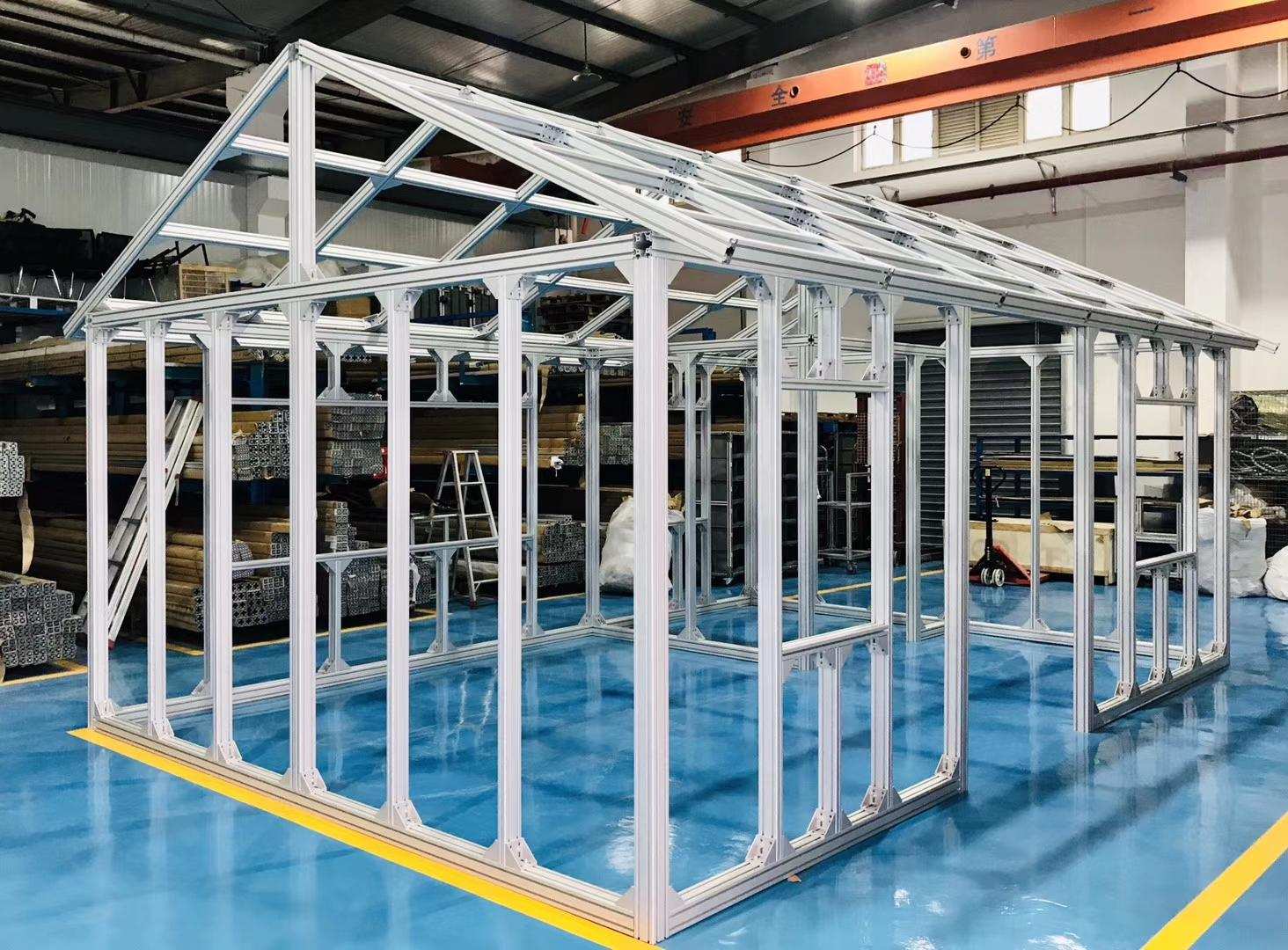
11.0Frequently Asked Questions About Aluminium Windows
11.1How Long Do Aluminium Windows Last?
When manufactured with high-quality materials and installed correctly, aluminium windows can last 40 to 60 years or even longer. Their durability, corrosion resistance, and structural strength make them one of the most long-lasting window solutions available for residential and commercial buildings.
11.2Are Aluminium Windows Safe?
Yes. Aluminium windows are considered highly secure. The strong aluminium frame provides excellent structural stability and can be paired with multi-point locking systems and high-quality hardware, making forced entry significantly more difficult. Aluminium is also a non-combustible material, which means it offers an additional level of fire resistance.
11.3Do Aluminium Windows Rust?
No. Aluminium naturally resists rust and corrosion. When combined with surface treatments such as powder coating or anodizing, the corrosion resistance of aluminium windows is further enhanced. This makes them suitable for use even in humid or coastal environments.
11.4How Effective Are Aluminium Windows at Sound Insulation?
Aluminium windows offer excellent sound insulation performance, especially when compared with many plastic window systems. Their strength allows them to support thicker glass panels, and when combined with high-quality sealing systems and double or triple glazing, they can effectively reduce outdoor noise. This makes them well suited for buildings located in busy urban areas.
12.0Aluminium Windows vs. uPVC Windows
| Comparison Aspect | Aluminium Windows | uPVC Windows |
| Appearance | Slim frames allow larger glass areas and a modern architectural look | Often designed to imitate traditional frames and wood textures, offering a more classic appearance |
| Durability | Strong, weather-resistant, and capable of handling extreme climates | Performance may decline in extreme heat or cold and frames may deform over time |
| Maintenance | Low maintenance; occasional cleaning and hardware inspection recommended | Also low maintenance and generally requires minimal upkeep |
| Energy Efficiency | Requires thermal break structures and insulated glazing to achieve high efficiency | Naturally provides good thermal insulation |
| Cost | Higher initial cost but strong long-term value | Lower upfront cost, making it attractive for short-term budgets |
| Installation | Strong and rigid frames require precise installation procedures | More flexible material allows relatively easier installation |
13.0Aluminium Windows vs. Anodized Aluminium Windows
The main difference between these two options lies in whether the aluminium surface has undergone anodizing treatment.
- Manufacturing Process: Standard aluminium windows are produced through conventional aluminium processing methods. Anodized aluminium windows undergo an additional anodizing process that forms a protective oxide layer on the surface.
- Durability: The oxide layer created during anodizing improves wear resistance and corrosion protection, making anodized aluminium windows more durable.
- Color Options: Anodized aluminium can be dyed before sealing the oxide layer, resulting in a wide range of long-lasting color finishes. Standard aluminium windows are often available in fewer colors and may fade over time.
- Appearance: Anodized aluminium usually features a matte, refined finish, while untreated aluminium surfaces often have a brighter metallic appearance.
- Applications: Anodized aluminium windows are commonly used in projects where durability and visual quality are priorities. Standard aluminium windows may be chosen for applications where electrical conductivity or budget considerations are important.
14.0What Are the Disadvantages of Aluminium Windows?
- Lower Natural Thermal Insulation: Aluminium conducts heat easily. Without thermal breaktechnology, aluminium frames may allow heat transfer and condensation to occur.
- Higher Initial Cost: Compared with some alternatives such as uPVC windows, aluminium windows often require a higher upfront investment.
- Limited Traditional Aesthetics: Although surface treatments provide various colors and finishes, aluminium frames may not replicate natural wood textures as convincingly as wood or wood-style window systems.
15.0Summary: Long-Term Value and Applications of Aluminium Windows
With advantages such as durability, low maintenance, design flexibility, and environmental sustainability, aluminium windows have become a preferred solution in modern architecture. They are particularly suitable for projects that prioritize contemporary design, long-term cost efficiency, and large glass openings.Because aluminium is 100% recyclable and offers an exceptionally long service life, it helps reduce both long-term operational costs and environmental impact. Aluminium windows are widely used in residential homes, commercial buildings, and educational facilities.When combined with thermal break technology and insulated glazing, aluminium windows can also achieve excellent energy performance, making them a reliable and future-ready window solution for a wide range of architectural applications.